
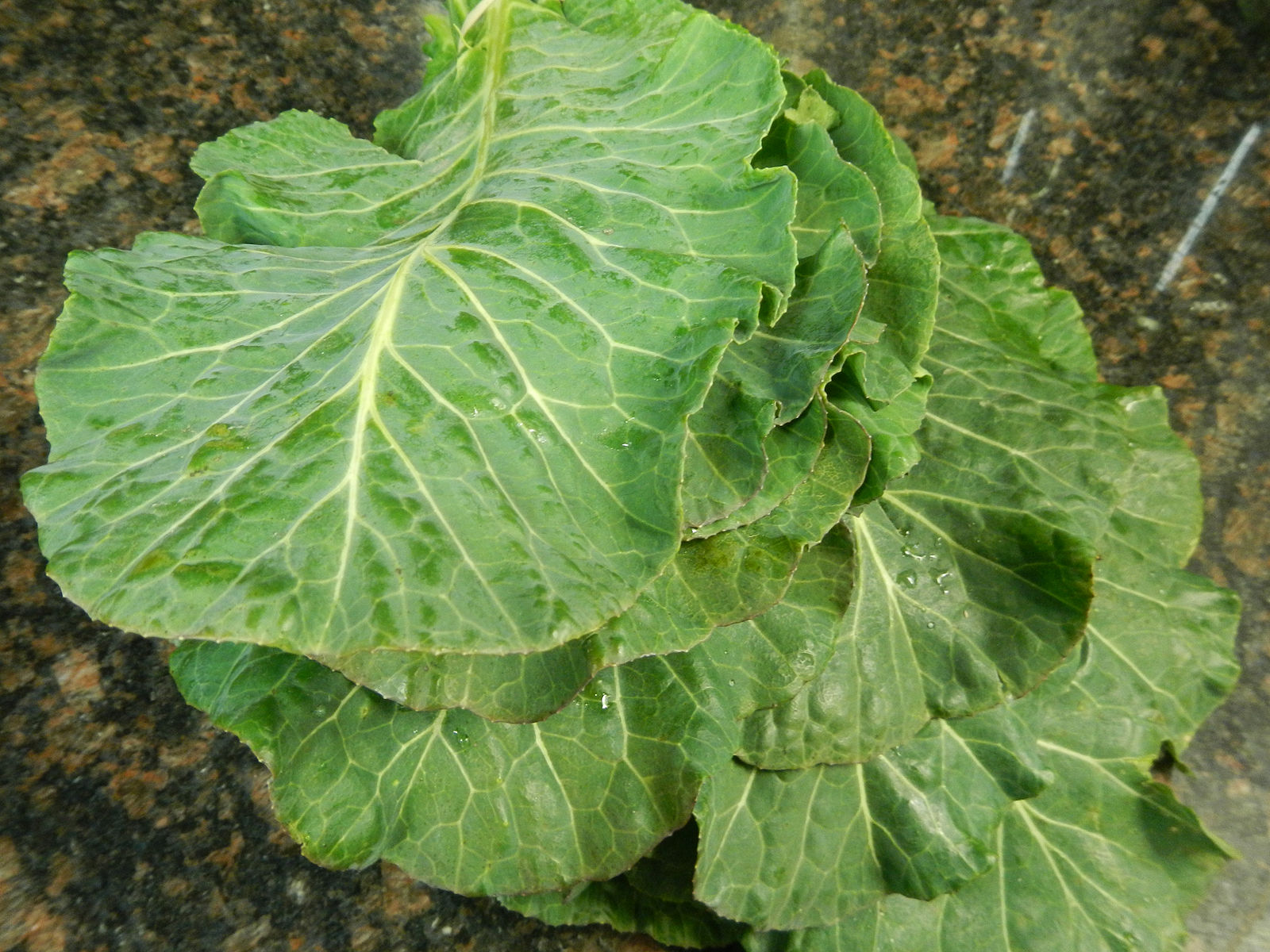
Collards, scientifically known as Brassica oleracea var. acephala, are a leafy green vegetable belonging to the cabbage family, Brassicaceae. Known for their nutritious leaves, collards are a cool-season crop that thrives in a variety of climates. Here are some planting and growing tips for collards:
Climate and Soil:
Collards are well-suited for cool climates and can withstand light frosts. They grow best in temperatures between 60-65°F (15-18°C).
Plant collards in well-draining soil with a pH between 6.0 and 7.5. They tolerate a range of soil types but prefer fertile, moist soil.
Planting:
Directly sow collard seeds in the garden 2-4 weeks before the last expected frost in spring or start seeds indoors for transplanting.
Space plants 18-24 inches apart, allowing enough room for the large, spreading leaves.
Sunlight:
Collards thrive in full sunlight but can tolerate partial shade. Aim for at least 6 hours of sunlight daily for optimal growth.
Watering:
Keep the soil consistently moist, especially during dry periods. Water deeply and avoid waterlogged conditions.
Mulch around the plants to retain moisture and suppress weeds.
Fertilization:
Prior to planting, incorporate well-rotted compost or aged manure into the soil.
Side-dress collard plants with a balanced fertilizer during the growing season.
Protection from Pests:
Collards can attract pests such as aphids, cabbage worms, and flea beetles. Use neem oil to control infestations.
Consider covering young plants with floating row covers to prevent pest damage.
Harvesting:
Harvest collard leaves when they reach a desirable size, typically 10-12 inches in length.
Start harvesting the outer leaves, allowing the inner leaves to continue growing for future harvests.
Use a sharp knife or scissors to cut the leaves from the plant.
Successive Planting:
To extend the harvest season, consider successive plantings every 2-3 weeks.
Collards can be harvested throughout the growing season, and their flavor improves after exposure to light frost.
Overwintering:
In mild climates, collards can be overwintered for a continuous harvest. Protect plants from severe cold with row covers or by planting in a sheltered location.