
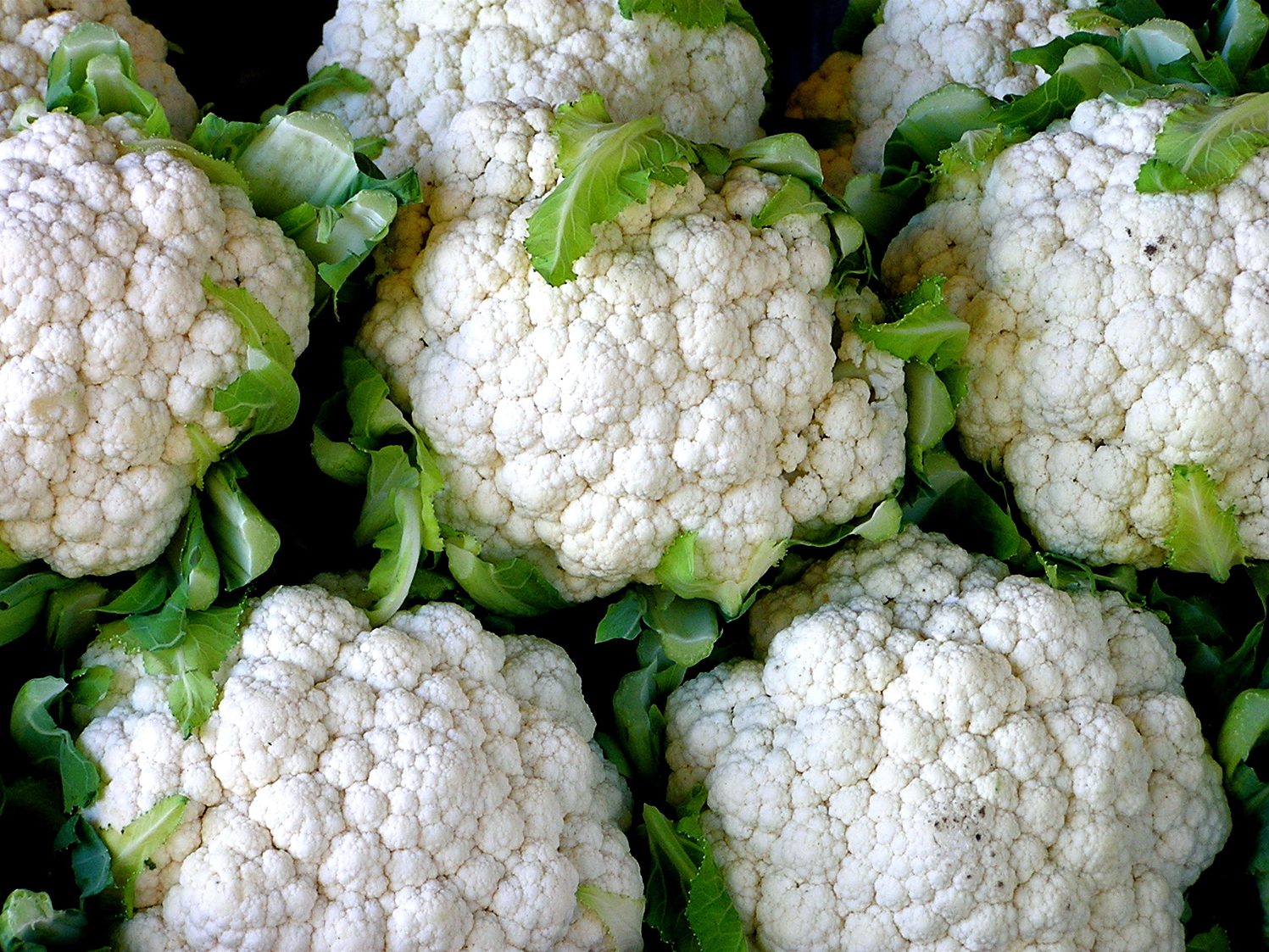
Cauliflower, scientifically known as Brassica oleracea var. botrytis, is a cool-season vegetable belonging to the Brassicaceae family. Known for its compact, white curd-like head, cauliflower is a versatile and nutritious addition to various culinary dishes. Here are some planting and growing tips for cauliflower:
Climate and Soil:
Cauliflower is a cool-season crop and grows best in temperatures between 50-75°F (10-24°C). It is suitable for spring and fall cultivation.
Plant cauliflower in well-drained, fertile soil with a pH between 6.0 and 7.5. The soil should be rich in organic matter.
Planting:
Start cauliflower seeds indoors 4-6 weeks before the last expected frost in spring. Transplant seedlings into the garden when they are 4-6 inches tall and have a well-established root system.
Space cauliflower plants 18-24 inches apart in rows, leaving 24-36 inches between rows.
Sunlight:
Cauliflower requires full sunlight for at least 6 hours a day. Adequate sunlight promotes healthy head development and overall plant vigor.
Watering:
Keep the soil consistently moist throughout the growing season. Cauliflower needs regular watering to ensure proper head formation and prevent the development of bitter flavors.
Mulch around the plants to retain moisture, regulate soil temperature, and suppress weeds.
Fertilization:
Prior to planting, amend the soil with well-rotted compost or aged manure.
Fertilize cauliflower with a balanced, all-purpose fertilizer at planting and side-dress every 3-4 weeks during the growing season.
Blanching:
To maintain the white color of the cauliflower head, consider blanching. When the head is about 2-3 inches in diameter, gently tie the outer leaves over the curd to protect it from direct sunlight.
Protection from Pests:
Cauliflower can be susceptible to pests such as cabbage worms, aphids, and cabbage loopers. Use row covers and inspect plants regularly for signs of infestations.
Introduce beneficial insects like ladybugs or use organic insecticides to control pest populations.
Harvesting:
Harvest cauliflower heads when they reach a suitable size, typically 6-8 inches in diameter. Harvesting later may result in heads becoming loose and less compact.
Cut the cauliflower head from the plant using a sharp knife, leaving a few inches of stem attached.
Storage:
Store harvested cauliflower heads in the refrigerator for freshness. Wrap the heads in plastic or place them in a perforated plastic bag to maintain quality.