
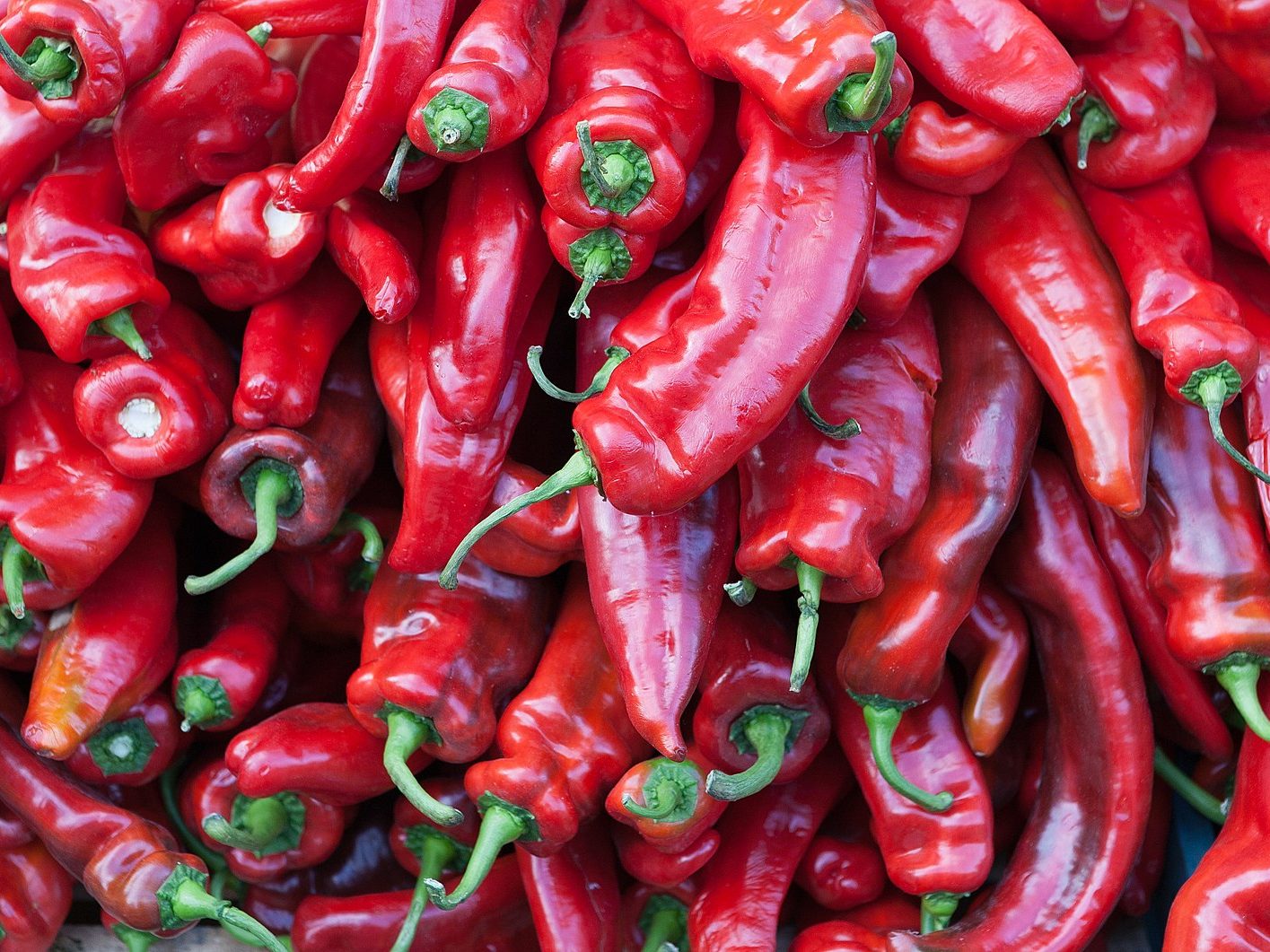
Peppers, scientifically known as Capsicum, are a diverse group of warm-season vegetables belonging to the Solanaceae family. Known for their vibrant colors, various shapes, and diverse flavors, peppers are a popular addition to many culinary dishes. Here are some planting and growing tips for peppers:
Climate and Soil:
Peppers thrive in warm climates with temperatures between 70-90°F (21-32°C). They are sensitive to frost and should be planted after the last expected frost in spring.
Plant peppers in well-drained, fertile soil with a pH between 6.0 and 7.0. They prefer a soil rich in organic matter.
Planting:
Start pepper seeds indoors 8-10 weeks before the last expected frost. Transplant seedlings into the garden when they are 6-8 inches tall and have a sturdy root system.
Space pepper plants 18-24 inches apart in rows, leaving 24-36 inches between rows.
Sunlight:
Peppers require full sunlight for at least 6-8 hours a day. Adequate sunlight is essential for flower production and fruit development.
Watering:
Keep the soil consistently moist throughout the growing season, especially during flowering and fruiting stages. Water deeply and avoid waterlogged conditions.
Mulch around the plants to retain moisture, regulate soil temperature, and suppress weeds.
Fertilization:
Prior to planting, amend the soil with well-rotted compost or aged manure.
Fertilize peppers with a balanced, all-purpose fertilizer at planting and side-dress every 4-6 weeks during the growing season.
Support:
Some pepper varieties, especially those with larger fruit, may benefit from staking or support. Use cages or stakes to prevent the plants from bending or breaking under the weight of the fruit.
Pruning:
While not essential, pruning can help improve airflow and sunlight penetration in dense pepper plants. Pinch off the tips of young plants to encourage bushier growth.
Protection from Pests and Diseases:
Peppers can be susceptible to pests like aphids, spider mites, and hornworms. Use neem oil for control.
Prevent common diseases like bacterial spot and blossom end rot by providing adequate spacing and proper watering practices.
Harvesting:
Harvest peppers when they reach the desired size and color. Most peppers can be harvested green or left on the plant to ripen to their final color.
Use a sharp knife or pruning shears to cut the peppers from the plant, leaving a small portion of the stem attached.