
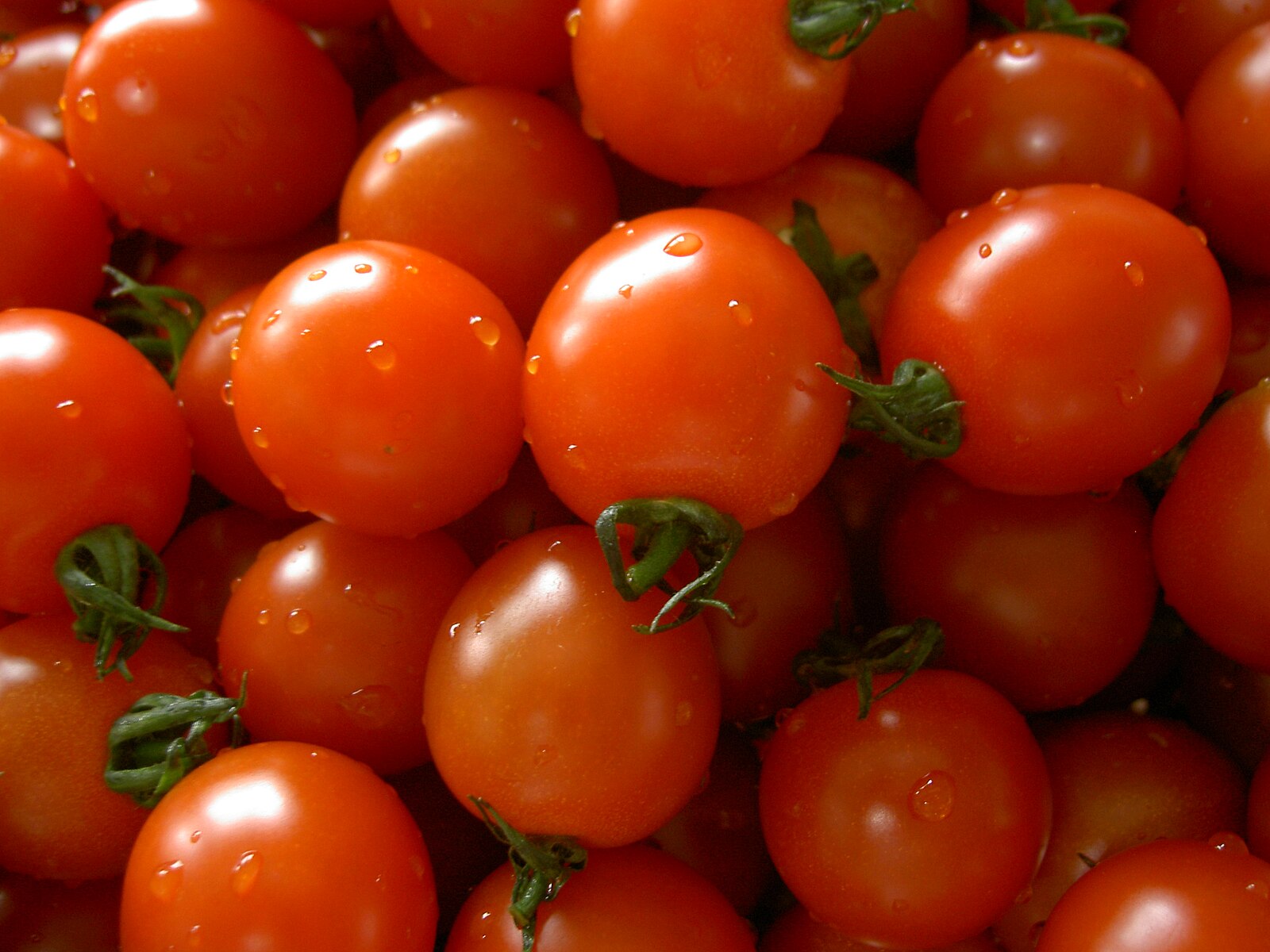
Tomatoes, scientifically known as Solanum lycopersicum, are one of the most widely cultivated and consumed fruits globally, though they are often used as vegetables in culinary contexts. Tomatoes belong to the Solanaceae family and come in various shapes, sizes, and colors. Here are some planting and growing tips for tomatoes:
Climate and Soil:
Tomatoes are warm-season crops that thrive in temperatures between 70-85°F (21-29°C). They are sensitive to frost and should be planted after the last expected frost in spring.
Plant tomatoes in well-drained, fertile soil with a pH between 6.0 and 7.0. They prefer soil rich in organic matter.
Planting:
Start tomato seeds indoors 6-8 weeks before the last expected frost. Transplant seedlings into the garden when they are 6-8 inches tall and have strong stems.
Space tomato plants 18-24 inches apart in rows, leaving 24-36 inches between rows.
Sunlight:
Tomatoes require full sunlight for at least 6-8 hours a day. Adequate sunlight is crucial for fruit development and ripening.
Watering:
Keep the soil consistently moist throughout the growing season, especially during flowering and fruiting stages. Inconsistent watering can lead to issues like blossom end rot.
Water deeply at the base of the plants to encourage deep root development.
Fertilization:
Prior to planting, amend the soil with well-rotted compost or aged manure.
Fertilize tomatoes with a balanced, all-purpose fertilizer at planting and side-dress every 3-4 weeks during the growing season.
Support:
Many tomato varieties benefit from support to prevent sprawling and enhance air circulation. Stake or cage the plants to keep them upright and encourage even ripening.
Pruning:
Pruning tomatoes involves removing suckers (side shoots) to focus energy on fruit production. Determinate varieties may require less pruning than indeterminate types.
Protection from Pests and Diseases:
Tomatoes can be susceptible to pests like aphids, hornworms, and diseases like early blight and late blight. Use organic pest management strategies, companion planting.
Harvesting:
Harvest tomatoes when they reach the desired size and color. For many varieties, the fruit should have a firm texture and vibrant color.
Use a sharp knife or pruning shears to cut tomatoes from the plant, leaving a short stem attached.
Storage:
Store tomatoes at room temperature until fully ripe. Once ripe, store them in the refrigerator for a few days to slow down further ripening. However, tomatoes stored in the fridge may lose some flavor and develop a mealy texture.