
Squash:
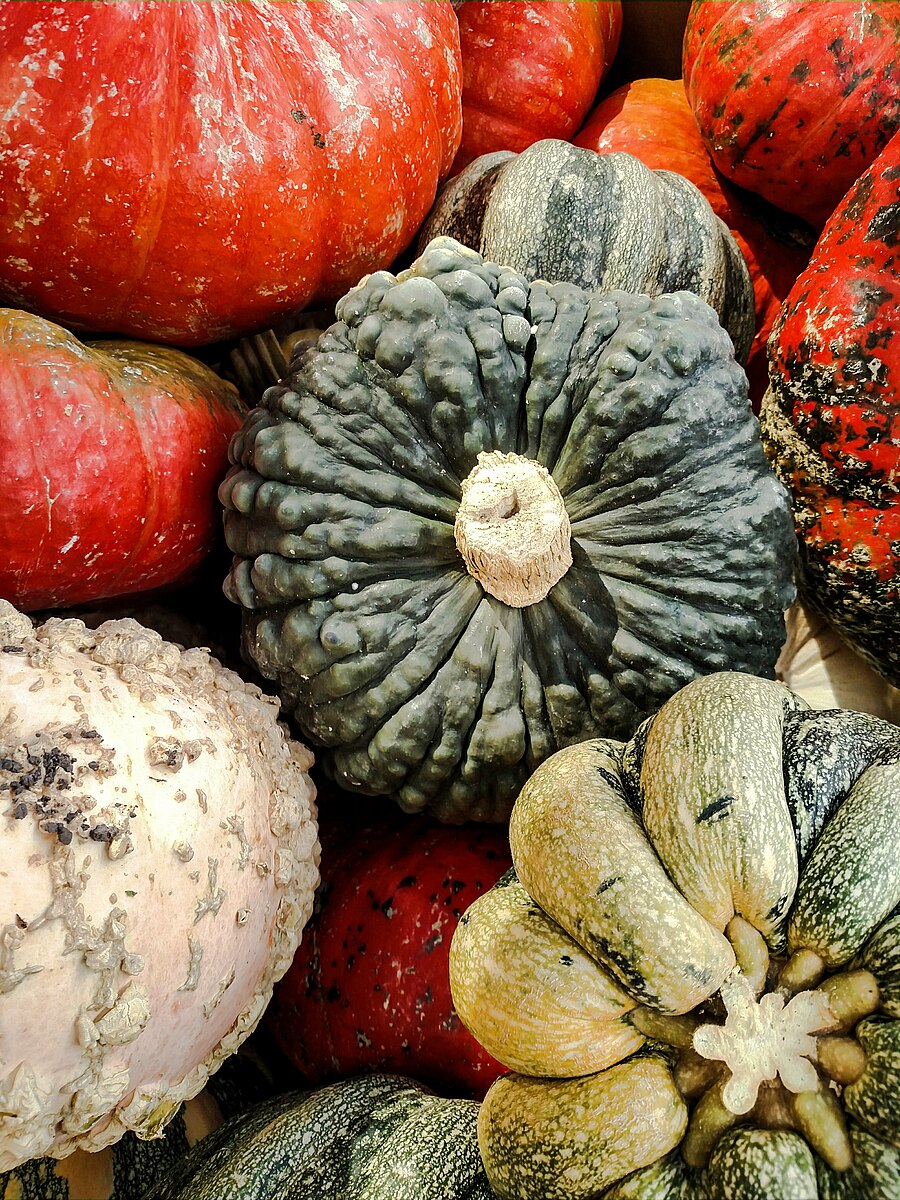
Winter Squash
Winter squash is a group of warm-season vegetables known for their hard rinds and long storage life. These squash varieties belong to different species within the Cucurbita genus. Common types include butternut squash, acorn squash, and spaghetti squash. Here are some planting and growing tips for winter squash:
Scientific Names:
Butternut Squash: Cucurbita moschata
Acorn Squash: Cucurbita pepo var. turbinata
Spaghetti Squash: Cucurbita pepo
Climate and Soil:
Winter squash is a warm-season crop that requires temperatures between 60-105°F (15-40°C) for optimal growth.
Plant winter squash in well-drained, fertile soil with a pH between 6.0 and 7.5. Soil rich in organic matter is beneficial for robust growth.
Planting:
Directly sow winter squash seeds in the garden after the last expected frost when the soil has warmed to at least 60°F (15°C).
Space squash plants according to the specific variety’s requirements. Vining varieties may require more space, and bush varieties can be planted closer together.
Sunlight:
Winter squash requires full sunlight for at least 6-8 hours a day. Ensure they receive adequate sunlight for proper growth and fruit development.
Watering:
Keep the soil consistently moist throughout the growing season, especially during flowering and fruiting stages. Winter squash plants have high water requirements.
Mulch around the plants to retain moisture, regulate soil temperature, and suppress weeds.
Fertilization:
Prior to planting, amend the soil with well-rotted compost or aged manure.
Fertilize winter squash with a balanced, all-purpose fertilizer at planting and side-dress every 3-4 weeks during the growing season.
Support for Vining Varieties:
Vining winter squash varieties, such as butternut squash, may benefit from support or trellising. This helps save space, improves air circulation, and keeps fruits off the ground.
Protection from Pests and Diseases:
Winter squash can be susceptible to pests like squash bugs, cucumber beetles, and diseases like powdery mildew. Use integrated pest management strategies, companion planting, and fungicides when necessary.
Harvesting:
Harvest winter squash when the fruits have reached full maturity and the rinds are hard. The skin should resist puncture with a fingernail.
Use a sharp knife or pruning shears to cut the squash from the plant, leaving a short stem attached.
Curing and Storage:
Cure harvested winter squash by allowing them to sit in a warm, dry place for a few weeks. This improves their flavor and storage quality.
Store winter squash in a cool, dry location. Properly cured and stored squash can last for several months.
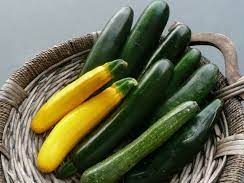
Summer Squash
Summer squash is a warm-season vegetable known for its tender flesh and mild flavor. It belongs to the Cucurbitaceae family and is part of the broader Cucurbita genus. Common types of summer squash include zucchini, yellow squash, and pattypan squash. Here are some planting and growing tips for summer squash:
Scientific Names:
Zucchini: Cucurbita pepo
Yellow Squash: Cucurbita pepo
Pattypan Squash: Cucurbita pepo var. clypeata
Climate and Soil:
Summer squash is a warm-season crop that thrives in temperatures between 60-95°F (15-35°C).
Plant summer squash in well-drained, fertile soil with a pH between 6.0 and 7.5. Soil rich in organic matter supports healthy growth.
Planting:
Directly sow summer squash seeds in the garden after the last expected frost when the soil has warmed to at least 60°F (15°C).
Space squash plants according to the specific variety’s requirements. Bush varieties may be planted closer together than vining varieties.
Sunlight:
Summer squash requires full sunlight for at least 6-8 hours a day. Ensure they receive adequate sunlight for proper growth and fruit development.
Watering:
Keep the soil consistently moist throughout the growing season. Summer squash plants have moderate water requirements.
Mulch around the plants to retain moisture, regulate soil temperature, and suppress weeds.
Fertilization:
Prior to planting, amend the soil with well-rotted compost or aged manure.
Fertilize summer squash with a balanced, all-purpose fertilizer at planting and side-dress every 3-4 weeks during the growing season.
Support for Vining Varieties:
Some summer squash varieties, like vining zucchini, may benefit from support or trellising. This helps save space, improves air circulation, and keeps fruits off the ground.
Protection from Pests and Diseases:
Summer squash can be susceptible to pests like squash bugs, cucumber beetles, and diseases like powdery mildew. Use organic pest management strategies, companion planting.
Harvesting:
Harvest summer squash when the fruits are young and tender, typically 6-8 inches in length. Regular harvesting encourages continued fruit production.
Use a sharp knife or pruning shears to cut the squash from the plant, leaving a short stem attached.
Storage:
Summer squash is best consumed fresh. If storing, keep it in the refrigerator for a few days. However, summer squash has a shorter shelf life compared to winter squash.