
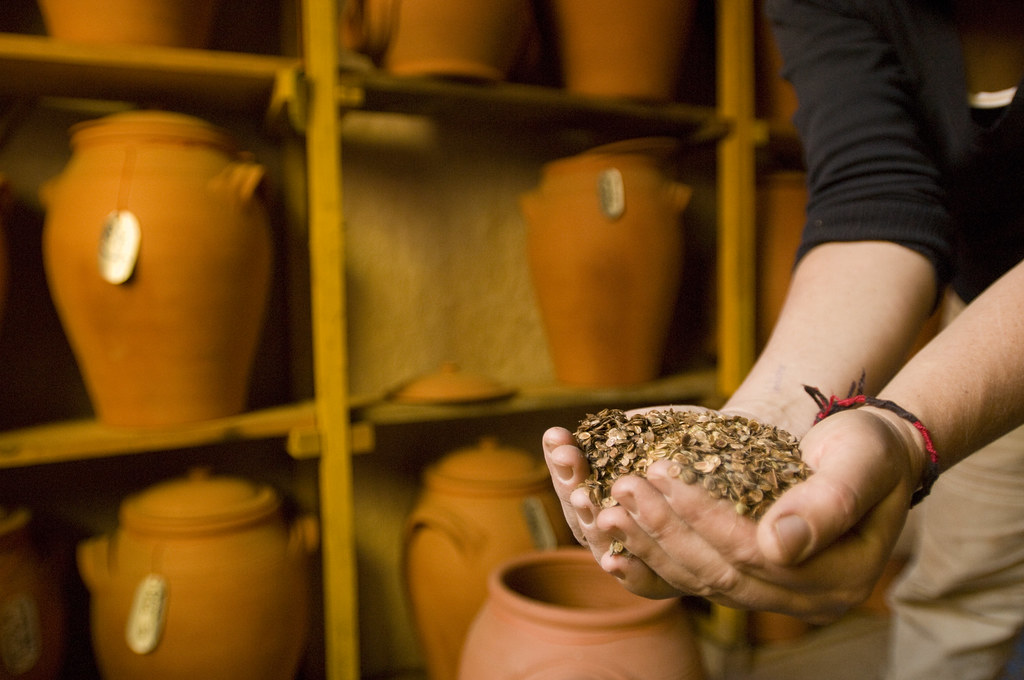
You can continue to grow those same delicious fruits and veggies, beautiful flowers, or stunning ornamentals year after year!
If you’re looking to preserve the genetic material of your favorite plants and continue growing them year after year, then seed saving is definitely the way to go. Let me walk you through the process step by step.
Step 1: Choose the right plants To start with, it’s important to choose plants that are suited for seed saving. You want to make sure that the plants you select are open-pollinated, meaning they will produce true-to-type offspring. Hybrid plants, on the other hand, will not produce offspring that are true to the parent plant. It’s also best to start with healthy plants that are free from disease or pest damage.
Step 2: Let the plant go to seed Once you’ve selected your plants, the next step is to let them go to seed. This means allowing the flowers to mature and dry out, and then leaving the seed heads on the plant until they are fully dry and ready to be harvested. Make sure to label the plants that you want to save seeds from so that you can easily identify them later on.
Step 3: Harvest the seeds Once the seed heads are fully dry, it’s time to harvest the seeds. This can be done by cutting the seed heads off the plant and placing them in a paper bag or other container. You can also gently shake the seed heads over a clean surface to release the seeds.
Step 4: Clean and dry the seeds After you’ve harvested the seeds, it’s important to clean and dry them thoroughly. This involves removing any chaff or other plant material from the seeds, and then allowing them to dry completely. You can do this by spreading the seeds out on a flat surface and leaving them in a cool, dry place for several days.
Step 5: Store the seeds Finally, once the seeds are completely dry, it’s time to store them. You can store seeds in airtight containers such as glass jars or plastic bags. Make sure to label the containers with the plant variety and the date the seeds were harvested. It’s best to store seeds in a cool, dry place away from direct sunlight, and to check them periodically to make sure they are still viable.
And there you have it! A step-by-step guide to saving seeds for your garden. With a little bit of patience and care, you’ll be able to continue growing your favorite plants for many years to come. Happy gardening!

Bob Mollis is a gentle soul with a green thumb and a love for the simple life. As a seasoned homesteader and grandfather, Bob has spent decades mastering self-sufficiency.
On sprouts.farm, Bob shares tales from his adventures in gardening, raising small animals, growing fruit and nut trees, beekeeping, and woodworking. With a twinkle in his eye, he offers practical tips, personal anecdotes, and inspiring stories from his own journey.
Bob’s writing is warm and engaging, like sitting down with your favorite uncle. He’s not afraid to get messy or try something new, sharing wisdom with anyone willing to listen.