
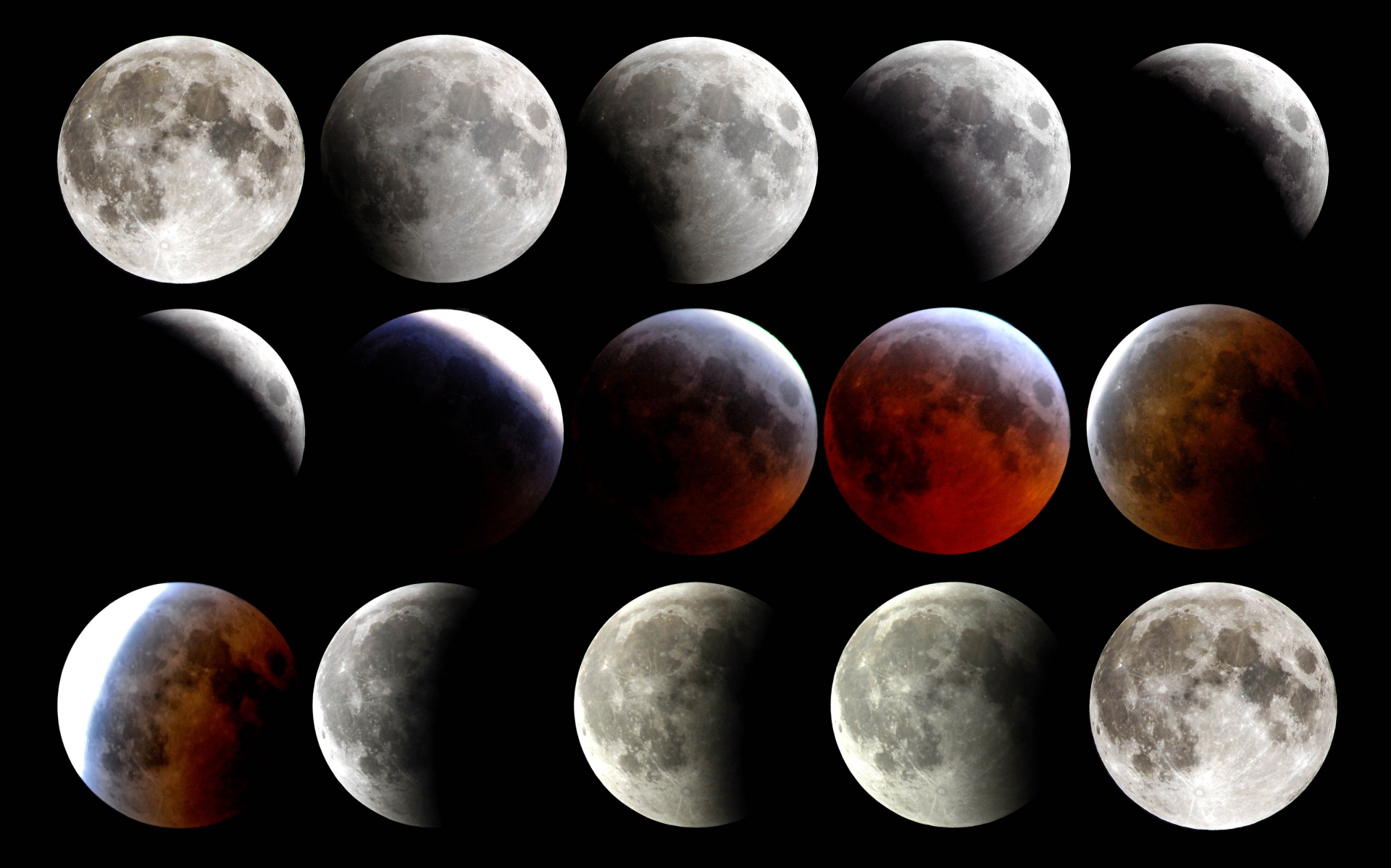
As gardeners and farmers alike know, timing is everything when it comes to planting seeds. While modern science has provided us with precise methods for determining the best times to sow our crops, there exists an ancient practice that many still swear by today – planting by the moon. In this lighthearted guide, we will explore the history behind lunar gardening and how to use the Farmer’s Almanac in conjunction with the moon cycles to optimize your harvest. So grab your trowel, because we’re diving into the world of celestial agriculture!
The History of Lunar Gardening
Lunar gardening dates back thousands of years, with roots in various cultures around the globe. Ancient civilizations such as the Chinese, Native American tribes, and even the Egyptians believed that the phases of the moon had a direct impact on the growth and health of their plants. This belief was so deeply ingrained that these societies developed complex systems for tracking the lunar calendar and aligning their agricultural practices accordingly.
While some may scoff at the idea of using astrology to determine the optimal planting times, studies have shown that certain aspects of the moon’s gravitational pull can indeed influence soil moisture levels and plant growth rates. Additionally, the natural rhythm of the moon’s cycles can help gardeners stay organized and maintain a consistent schedule throughout the growing season.
Using the Farmer’s Almanac and Moon Cycles
To get started with lunar gardening, one must first consult the Farmer’s Almanac. This trusted resource contains detailed information on planting schedules, weather forecasts, and other essential data for successful farming. When combined with the moon’s phase, gardeners can create a comprehensive plan tailored specifically to their needs.
Here’s a breakdown of the four main stages of the moon cycle and what each phase means for your garden:
- New Moon (Plant Root Crops): As the name suggests, this is the perfect time to plant root vegetables like carrots, potatoes, and beets. Think of it as Mother Nature’s way of giving you a fresh start – just like a brand-new seedling breaking through the earth.
- Waxing Crescent (Sow Leafy Greens): During this stage, the moon is gradually becoming more illuminated, much like your enthusiasm for gardening as you watch your leafy greens grow. It’s the ideal moment to plant lettuce, spinach, and kale, ensuring a bountiful harvest come harvest time.
- First Quarter (Transplant Seedlings): By now, the moon is halfway between its new and full phases, making it the perfect time to transplant any seedlings that have outgrown their original pots. Just remember to handle those delicate sprouts with care – after all, they’ve got big shoes to fill once they make their debut in the great outdoors!
- Full Moon (Harvest Herbs): Ah, the grand finale! With the moon shining brightly overhead, it’s time to reap the rewards of your hard work. Harvest herbs like basil, parsley, and chives during this phase, enjoying the sweet aroma of success as you clip away.
https://www.almanac.com/content/planting-by-the-moon

Bob Mollis is a gentle soul with a green thumb and a love for the simple life. As a seasoned homesteader and grandfather, Bob has spent decades mastering self-sufficiency.
On sprouts.farm, Bob shares tales from his adventures in gardening, raising small animals, growing fruit and nut trees, beekeeping, and woodworking. With a twinkle in his eye, he offers practical tips, personal anecdotes, and inspiring stories from his own journey.
Bob’s writing is warm and engaging, like sitting down with your favorite uncle. He’s not afraid to get messy or try something new, sharing wisdom with anyone willing to listen.