
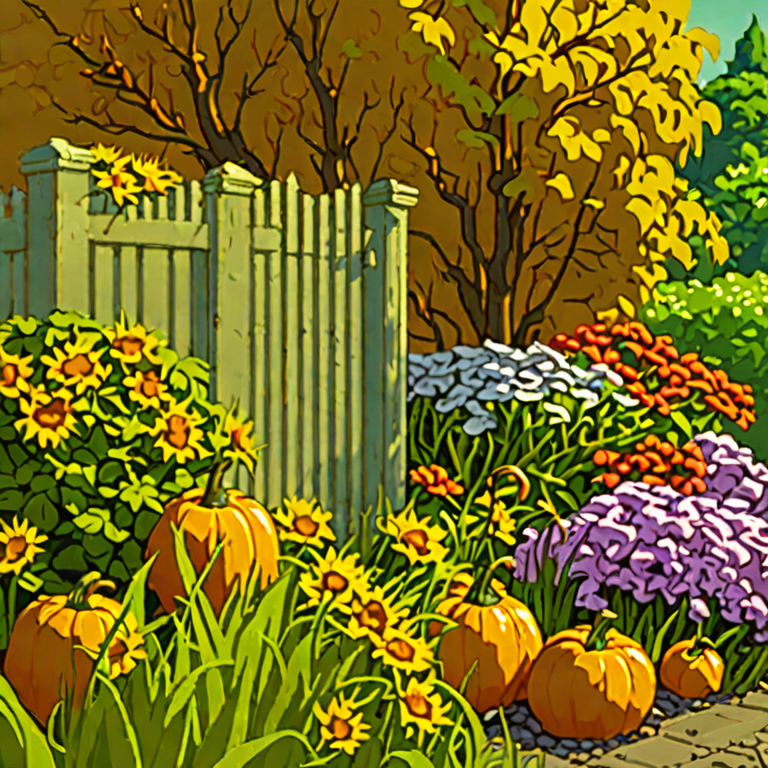
As the seasons change, gardeners in southern Idaho can look forward to growing a variety of delicious fall crops. To ensure a bountiful harvest, it’s essential to perform your garden bed preparation correctly using organic methods.
Preparing Your Soil
Before planting, make sure your soil is in good condition. In southern Idaho, the soil can be prone to drought and nutrient depletion due to its high clay content. Here are some steps you can take to improve your soil:
- Add Organic Matter: Mix compost, well-rotted manure, or worm castings into your soil to improve its structure and fertility.
- Balance pH Levels: Most vegetables prefer a slightly acidic to neutral soil pH (around 6.0-7.0). Test your soil regularly to ensure it’s within this range.
- Remove Weeds: Weeds compete with crops for water, nutrients, and light. Use physical barriers or mulch to suppress weeds.
- Add Compost Tea: Brew a compost tea by steeping a bucket of compost in a larger bucket of water. This liquid solution provides beneficial microbes that help break down organic matter.
Fall Crops
After your raised garden bed preparation, you can start planting fall crops. Some excellent choices for southern Idaho include:
- Broccoli: Plant broccoli in late summer to early fall (August 15-September 10) for a harvest around October-November.
- Cauliflower: Sow cauliflower seeds directly into the ground in mid-to-late September (September 15-20) for a harvest around November.
- Kale: Plant kale in late summer to early fall (August 25-September 10) for a harvest throughout the winter months.
- Lettuce and Other Salad Greens: Sow lettuce, spinach, radishes, and other cool-season vegetables directly into the ground in late August to early September (August 25-September 10).
- Brassicas: Plant broccoli, cauliflower, kale, cabbage, and collards in late summer to early fall (August 15-September 10) for a harvest around October-November.
- Root Vegetables: Sow carrots, beets, turnips, rutabagas, and parsnips directly into the ground in mid-to-late September (September 15-20).
Considerations for Southern Idaho
Gardeners in southern Idaho should take the following factors into consideration when planning their fall garden:
- Cooler Temperatures: As temperatures drop, make sure your crops are adapted to cooler conditions.
- Moisture Levels: Southern Idaho’s soil can be prone to drought, so ensure adequate moisture levels for optimal growth.
- Soil pH: Adjust your soil pH if necessary to accommodate the specific needs of your chosen crops.
Companion Planting
To enhance the growth and health of your crops, consider companion planting. Some excellent pairings include:
- Marigolds with Tomatoes: Marigolds repel nematodes that can damage tomato plants.
- Nasturtiums with Cucumbers: Nasturtiums repel aphids and whiteflies that can harm cucumber plants.
- Basil with Broccoli: Basil improves the flavor of broccoli and other brassicas.
Tips for a Successful Fall Garden
- Choose Varieties Specifically Grown for Fall: Select crops that are bred to thrive in cooler temperatures.
- Provide Support: Use trellises, stakes, or cages to support plants that need support as they grow.
- Monitor Weather Conditions: Keep an eye on temperature fluctuations and precipitation levels to ensure optimal growing conditions.
By following these organic raised garden bed preparations, you can enjoy a productive fall garden in southern Idaho.

Bob Mollis is a gentle soul with a green thumb and a love for the simple life. As a seasoned homesteader and grandfather, Bob has spent decades mastering self-sufficiency.
On sprouts.farm, Bob shares tales from his adventures in gardening, raising small animals, growing fruit and nut trees, beekeeping, and woodworking. With a twinkle in his eye, he offers practical tips, personal anecdotes, and inspiring stories from his own journey.
Bob’s writing is warm and engaging, like sitting down with your favorite uncle. He’s not afraid to get messy or try something new, sharing wisdom with anyone willing to listen.