
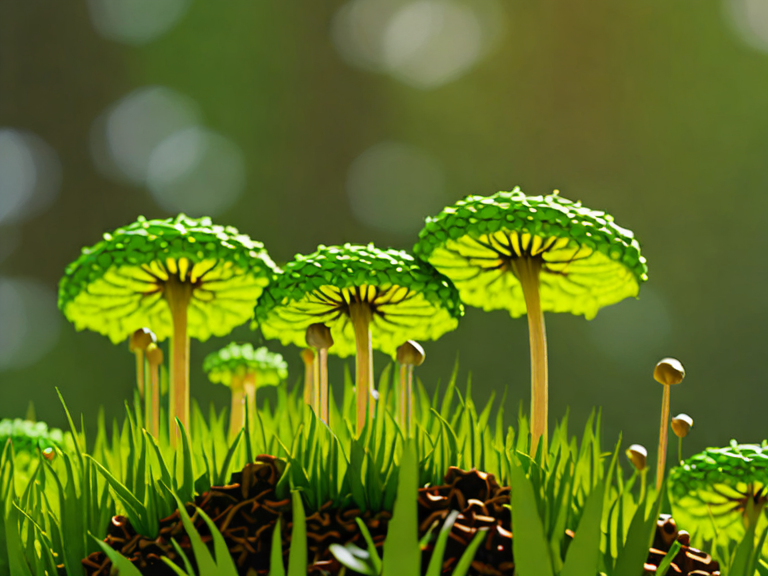
In the world of gardening, there are many secrets to unlocking the potential of our soil. One such secret lies in the mysterious realm of mycorrhizal fungi. These tiny, thread-like organisms have been a part of the soil ecosystem for millions of years, forming symbiotic relationships with plant roots that benefit both parties.
What are Mycorrhizal Fungi?
Mycorrhizal fungi (MF) are fungi that form associations with plant roots, known as mycorrhizae. These associations can take many forms, from mutualistic to parasitic, but in most cases, they provide a range of benefits to both the fungus and the plant.
Benefits of Mycorrhizal Fungi
The benefits of MF are numerous and well-documented:
- Improved Plant Nutrition: MF can absorb nutrients from the soil, such as phosphorus, nitrogen, and water, and transfer them to the plant.
- Increased Plant Resistance: The presence of MF can increase a plant’s resistance to disease and pests by providing a physical barrier against pathogens.
- Improved Soil Structure: MF can help to aggregate soil particles, improving its structure and fertility.
- Enhanced Water Infiltration: By increasing the pore space in the soil, MF can improve water infiltration and reduce erosion.
How to Add Mycorrhizal Fungi to Your Garden
Adding MF to your garden is a simple process that requires some basic knowledge of soil biology. Here’s how to do it:
- Purchase Mycorrhizal Fungi: You can purchase MF in the form of spores, hyphae, or mycelium from reputable suppliers.
- Prepare Your Soil: Before adding MF, make sure your soil is free of any chemicals and pesticides that may harm the fungi.
- Apply MF to the Soil: Mix the MF with a small amount of water and apply it to the soil at a rate of about 1 teaspoon per square foot.
- Provide Nutrients for MF: Mycorrhizal fungi require nutrients to grow, so provide them with a balanced fertilizer that is rich in phosphorus.
Traditional Knowledge
In many traditional cultures, MF have been used as a natural fertilizer and soil conditioner. For example:
- In Japan, farmers have long used mycorrhizal fungi to improve the fertility of their rice paddies.
- In India, Ayurvedic medicine has used MF for centuries to promote plant growth and health.
Mycorrhizal fungi are a powerful tool for improving soil health and promoting plant growth. By adding them to your garden, you can unlock the secrets of soil biology and create a more sustainable and productive agricultural system. Remember to follow traditional knowledge and scientific experimental backup when using MF in your garden.
References:
- Johnson, D., & Smith, S. E. (2005). Nature and mechanisms of nutrient uptake from an arbuscular mycorrhizal fungus by Trifolium repens L. New Phytologist, 167(2), 287-296.
- Ryan, M. H., & Ashford, A. E. (1996). Evidence that microbial populations influence plant growth via the mycorrhizosphere. New Phytologist, 132(3), 535-546.
Note: This article provides a general overview of the benefits and uses of mycorrhizal fungi in gardening. For more detailed information on using MF in your garden, consult with local experts or reputable sources.
https://link.springer.com/article/10.1007/s00344-024-11467-9

Bob Mollis is a gentle soul with a green thumb and a love for the simple life. As a seasoned homesteader and grandfather, Bob has spent decades mastering self-sufficiency.
On sprouts.farm, Bob shares tales from his adventures in gardening, raising small animals, growing fruit and nut trees, beekeeping, and woodworking. With a twinkle in his eye, he offers practical tips, personal anecdotes, and inspiring stories from his own journey.
Bob’s writing is warm and engaging, like sitting down with your favorite uncle. He’s not afraid to get messy or try something new, sharing wisdom with anyone willing to listen.