
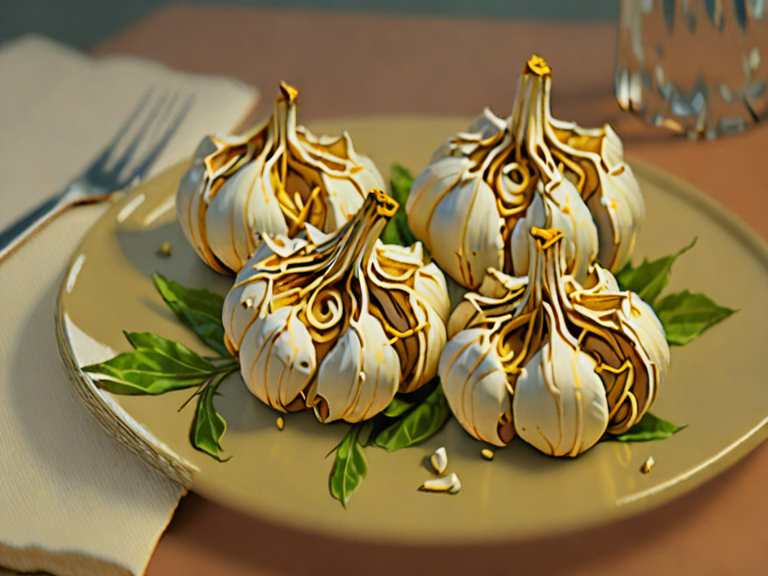
Imagine being able to get yourself relief from cancer, heart disease, and even malaria, all with one simple ingredient found in your kitchen – garlic! Sounds too good to be true? Well, it’s not. For centuries, people have been using garlic as a natural remedy for various ailments, and the science is starting to back it up, so let’s talk about growing garlic.*
Growing Garlic
To grow garlic, follow these steps:
- Choose a variety: Choose a softneck or hardneck variety, depending on your preferences and growing conditions.
- Prepare the soil: Prepare the soil by adding compost and other organic matter to improve its fertility and drainage.
- Plant individual cloves: Plant individual cloves 4-6 inches apart and 2-3 inches deep, with their pointed ends facing upwards.
Companion Plants
Garlic has several companion plants that can help repel pests and diseases while growing garlic. Some popular companion plants include:
- Chives: These fragrant herbs repel aphids and other pests.
- Nasturtiums: These colorful flowers repel aphids, whiteflies, and other pests.
- Marigolds: These bright flowers repel nematodes and other pests.
Pest Control
Garlic is susceptible to several pests, including:
- Aphids: Use neem oil or insecticidal soap to control aphid infestations.
- Thrips: Use garlic spray (see below) to repel thrips.
- Nematodes: Use marigold flowers as a repellent.
Disease Control
Garlic is susceptible to several diseases, including:
- Downy mildew: Use copper-based fungicides or sulfur-based fungicides to control downy mildew.
- Fusarium rot: Use organic fungicides like neem oil or garlic spray (see below) to control fusarium rot.
Garlic Spray
To make a garlic spray, follow these steps:
- Crush 3-4 cloves of garlic: Crush 3-4 cloves of garlic and mix them with 1 quart of water.
- Let it sit for 24 hours: Let the mixture sit for 24 hours to allow the allicin to activate.
- Strain the mixture: Strain the mixture through a cheesecloth or coffee filter to remove any solids.
Harvesting Garlic
Garlic is typically ready to harvest when the tops of the plants begin to turn yellow and dry out. This usually happens around 3-4 months after planting, depending on weather conditions and variety.
- Check for maturity: Check each bulb by gently digging around it with a fork. If the cloves are firm and the skin is tight, they’re ready to harvest.
- Harvest when mature: Harvest garlic bulbs when they’re mature, as this will ensure they have enough time to cure and dry before storing.
Storing Garlic
Proper storage is crucial for garlic to last throughout the year. Here are some tips on how to store garlic:
- Cure the bulbs: After harvesting, cure the garlic bulbs by spreading them out in a warm, dry place with good air circulation. This will help dry out the skin and prevent moisture from accumulating inside.
- Store in a cool, dark place: Store the cured garlic bulbs in a cool, dark place like a pantry or cupboard. Avoid storing garlic near heating sources or direct sunlight.
- Keep them dry: Keep the garlic bulbs dry by wrapping them in paper bags or breathable cloth.
- Monitor for sprouting: Check the garlic bulbs periodically to ensure they’re not sprouting. If you notice any signs of sprouting, use the garlic immediately.
Storing Garlic Long-Term
For long-term storage, consider storing garlic in a cold environment like a root cellar or refrigerator. Here are some tips:
- Store at 32°F (0°C) or colder: Store garlic bulbs at 32°F (0°C) or colder to slow down the sprouting process.
- Use glass jars or containers: Use glass jars or containers with tight-fitting lids to store garlic.
- Keep them dry and cool: Keep the garlic bulbs dry and cool by wrapping them in paper bags or breathable cloth.
Storing Garlic for Months
For longer-term storage, consider storing garlic in a root cellar or other cold environment. Here are some tips:
- Use wooden crates or boxes: Use wooden crates or boxes with tight-fitting lids to store garlic.
- Keep them dry and cool: Keep the garlic bulbs dry and cool by wrapping them in paper bags or breathable cloth.
- Monitor for sprouting: Check the garlic bulbs periodically to ensure they’re not sprouting. If you notice any signs of sprouting, use the garlic immediately.
By following these tips for growing garlic, you can enjoy a year-round supply of delicious and aromatic organic garlic.

Bob Mollis is a gentle soul with a green thumb and a love for the simple life. As a seasoned homesteader and grandfather, Bob has spent decades mastering self-sufficiency.
On sprouts.farm, Bob shares tales from his adventures in gardening, raising small animals, growing fruit and nut trees, beekeeping, and woodworking. With a twinkle in his eye, he offers practical tips, personal anecdotes, and inspiring stories from his own journey.
Bob’s writing is warm and engaging, like sitting down with your favorite uncle. He’s not afraid to get messy or try something new, sharing wisdom with anyone willing to listen.