
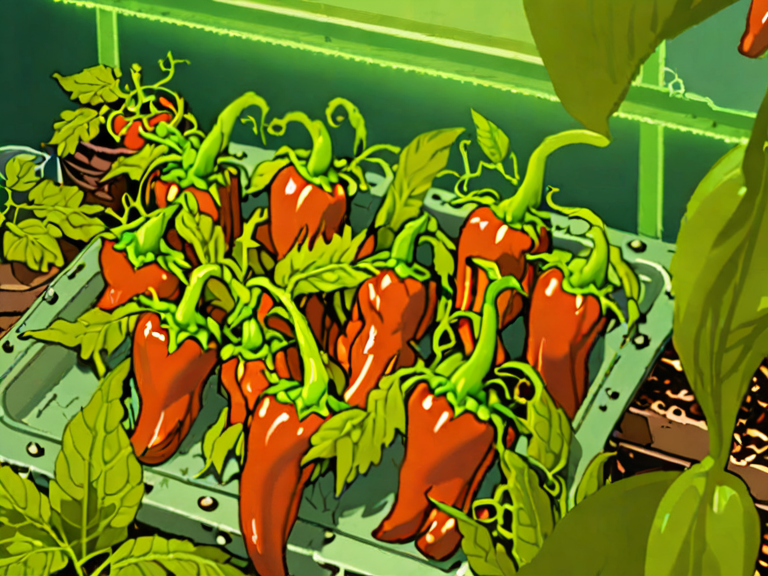
While many gardeners opt to grow their hot peppers outdoors, it’s entirely possible to successfully cultivate these spicy plants indoors. Growing hot peppers indoors requires careful consideration of the plant’s specific needs and a willingness to provide the necessary conditions for optimal growth.
First and foremost, it’s essential to select a variety of hot pepper that is well-suited for indoor growing. Some popular varieties, such as ‘Thai Hot’, ‘Carolina Reaper’, and ‘Ghost Pepper’, are bred specifically for their heat tolerance and ability to thrive in controlled environments. When choosing a variety, research the specific growing requirements, including temperature, light, and humidity needs.
Once you’ve selected your variety, it’s time to prepare the necessary equipment and supplies. This includes:
- A well-draining potting mix specifically designed for indoor plants
- A container with good drainage (at least 1-2 gallons)
- Seed starting mix
- Grow lights (LED or fluorescent) with a high intensity of light (at least 20,000 lumens)
- Thermometer and hygrometer to monitor temperature and humidity levels
- Watering can or cup
To begin the process, sow your seeds in seed starting mix, about 1/4 inch deep. Cover the seeds with a thin layer of potting mix, then water gently but thoroughly. Keep the soil consistently moist during the germination period.
Lighting:
Hot peppers require an intense light environment to produce fruit. To achieve this, you’ll need to provide supplemental lighting using grow lights. Set up your grow lights to provide 18-20 hours of light per day, with a temperature range of 75-85°F (24-29°C) during the day and 65-70°F (18-21°C) at night.
Temperature:
Hot peppers are sensitive to extreme temperatures. To maintain optimal conditions, use a thermometer to monitor the temperature, aiming for a daytime temperature of 75-85°F (24-29°C). Keep the nighttime temperature between 65-70°F (18-21°C).
Humidity:
Maintaining optimal humidity levels is crucial for healthy growth. Monitor your hygrometer to ensure that the relative humidity remains above 50%. If necessary, use a humidifier or misting system to maintain these levels.
Watering:
Water your seedlings when the top inch of soil feels dry. Avoid overwatering, which can lead to root rot and other problems.
Pruning and Training:
Once your seedlings have two sets of leaves, prune them back to encourage bushy growth and prevent legginess. This will also help you to keep the plant compact and easy to handle.
Pest Control:
Indoor growing spaces can be breeding grounds for pests like spider mites, mealybugs, and aphids. Regularly inspect your plants for signs of infestation and take prompt action if necessary.
Growing hot peppers indoors requires attention to detail, patience, and a commitment to providing optimal conditions. With the right knowledge, equipment, and care, you can successfully cultivate these spicy plants in the comfort of your own home.
Common Challenges and Solutions:
- Lack of Light: Supplemental lighting may not be enough; consider using mirrors or reflective surfaces to bounce light onto the plant.
- Pests: Regularly inspect for signs of infestation, use neem oil or insecticidal soap to control pests, and maintain a clean environment.
- Overwatering: Check soil moisture regularly, avoid getting water on leaves or stems, and consider using a drip irrigation system.
https://indoorgardening.com/growing-peppers-indoors

Bob Mollis is a gentle soul with a green thumb and a love for the simple life. As a seasoned homesteader and grandfather, Bob has spent decades mastering self-sufficiency.
On sprouts.farm, Bob shares tales from his adventures in gardening, raising small animals, growing fruit and nut trees, beekeeping, and woodworking. With a twinkle in his eye, he offers practical tips, personal anecdotes, and inspiring stories from his own journey.
Bob’s writing is warm and engaging, like sitting down with your favorite uncle. He’s not afraid to get messy or try something new, sharing wisdom with anyone willing to listen.