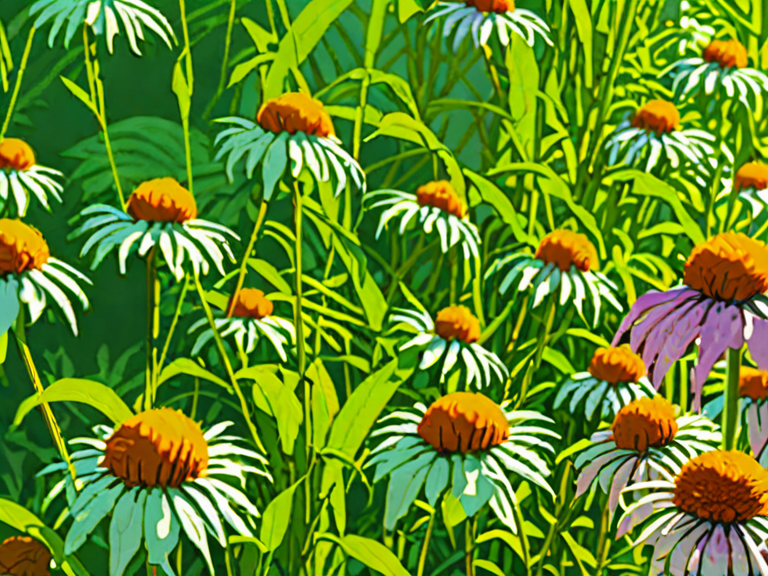
Have you ever heard of echinacea? It’s an herb that has been used by many cultures for centuries to treat various health issues. In this article, we’ll explore the advantages of echinacea and how it can benefit your overall well-being and help lead to a healthy life.
What is Echinacea?
Echinacea is a type of flowering plant native to North America. The roots and flowers of the plant are rich in nutrients and have been used for centuries to treat colds, flu, and other respiratory issues. It’s also believed to have anti-inflammatory properties, making it effective against skin conditions like eczema.
Preparing Echinacea
When harvesting echinacea, make sure to dry the roots and flowers properly to preserve their potency. This involves:
- Removing excess moisture: After harvesting, allow the roots and flowers to air dry for a few days.
- Drying with a dehydrator or oven: Use a low heat setting (150°F – 200°F) for about an hour to ensure complete drying.
- Storing in an airtight container: Once dried, store the echinacea roots and flowers in a sealed container to maintain their potency.
How to Use Echinacea
Echinacea can be used topically or orally. When using it topically:
- Mix with a carrier oil: Combine the dried echinacea roots and flowers with a carrier oil (coconut, olive, or jojoba) in a 1:10 ratio.
- Apply to the affected area: Gently rub the mixture onto the skin, paying attention to any areas of concern.
When taking it orally:
- Dose according to age (*see practitioner):
- Children under 12 years old: Take 1/4 teaspoon (about 120 mg) 2-3 times a day.
- Adults and teenagers: Take 1/2 teaspoon (about 240 mg) 2-3 times a day.
Some people may experience mild side effects such as:
- Digestive issues: If you’re sensitive to certain herbs, taking echinacea may cause stomach upset or nausea. Start with a small dose and gradually increase as needed.
- Allergic reactions: Be cautious if you have allergies to plants in the daisy family (such as ragweed).
Conditions Echinacea May Aid
Echinacea is often used to treat:
- Cold and flu symptoms: It’s believed to boost the immune system, reducing the severity of colds and flu.
- Skin conditions: The anti-inflammatory properties may help alleviate skin issues like eczema and acne.
Keep in mind that echinacea is not a cure-all remedy, but can help you lead a healthy life. Consult with a healthcare professional before using it as a treatment for any medical condition.

Bob Mollis is a gentle soul with a green thumb and a love for the simple life. As a seasoned homesteader and grandfather, Bob has spent decades mastering self-sufficiency.
On sprouts.farm, Bob shares tales from his adventures in gardening, raising small animals, growing fruit and nut trees, beekeeping, and woodworking. With a twinkle in his eye, he offers practical tips, personal anecdotes, and inspiring stories from his own journey.
Bob’s writing is warm and engaging, like sitting down with your favorite uncle. He’s not afraid to get messy or try something new, sharing wisdom with anyone willing to listen.