
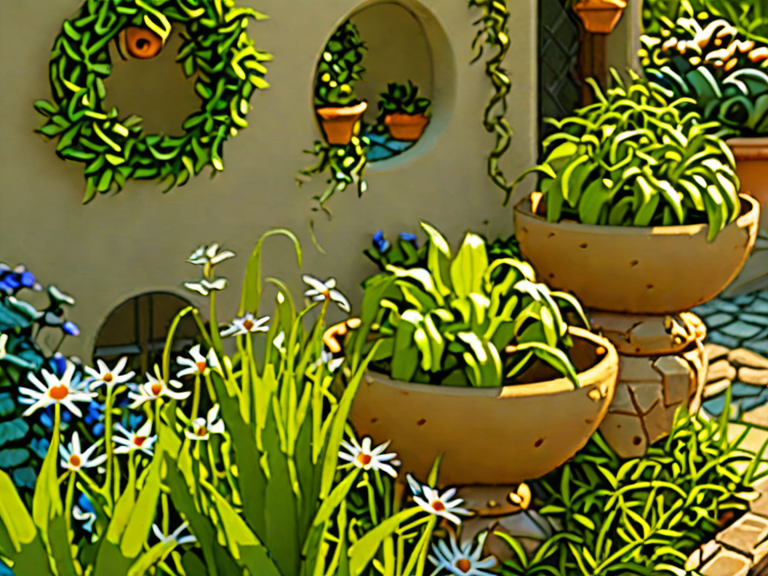
To maximize space, we’ll use a combination of vertical gardening, trellising, and multi-level containers for your herb garden. We’ll rank options by size taken up, production, and cost.
Option 1: Vertical Trellis (Size: 2×4 feet)
- Production: High
- Cost: Moderate ($50-$75)
- Recommended Herbs: Basil, Mint, Chives, Lemon Balm
Use a sturdy trellis to train climbing herbs like mint and lemon balm. Attach planters or pockets to the trellis for non-climbing herbs.
Option 2: Tiered Planter (Size: 3×4 feet)
- Production: Medium-High
- Cost: Moderate ($50-$75)
- Recommended Herbs: Chives, Thyme, Oregano
Use a tiered planter to grow multiple herbs in a compact space. Each level can be used for a different herb or a combination of herbs.
Option 3: Hydroponic System (Size: 2×4 feet)
- Production: High
- Cost: Expensive ($100-$150)
- Recommended Herbs: Basil, Cilantro, Parsley
Use a hydroponic system to grow multiple herbs in a compact space. This method is ideal for herbs that prefer well-draining soil.
Option 4: Window Box Herb Garden Planter (Size: 1×6 feet)
- Production: Medium
- Cost: Low ($20-$30)
- Recommended Herbs: Chives, Thyme, Oregano
Use a window box planter to grow herbs on a small balcony or patio.
Companion Herb Garden Planting:
Some herbs are beneficial when grown together, while others should be avoided. Here are some guidelines:
- Basil and Mint: Basil repels pests that target mint.
- Chives and Thyme: Chives improve the growth and flavor of thyme.
- Oregano and Thyme: Oregano improves the growth and flavor of thyme.
Herbs to avoid growing next to each other:
- Mint and Lemon Balm: These two herbs can take over a garden if not controlled.
- Basil and Cilantro: Basil can suppress the growth of cilantro.
- Chives and Oregano: Chives can compete with oregano for water and nutrients.
Herb Uses:
Here are some popular uses for each herb:
- Basil: Used in pesto, caprese salad, and as a flavoring agent for pasta dishes.
- Mint: Used in mojitos, mint tea, and as a refreshing digestive aid.
- Chives: Used as a garnish for soups, salads, and baked potatoes.
- Thyme: Used in bouillabaisse, soups, stews, and as a flavoring agent for meat dishes.
- Oregano: Used in Italian and Greek cuisine to flavor pasta sauces, pizza dough, and roasted vegetables.
- Lemon Balm: Used in herbal teas, desserts, and as a calming digestive aid.
By using these space-efficient herb garden designs, you can grow a variety of herbs while minimizing waste and maximizing production.

Bob Mollis is a gentle soul with a green thumb and a love for the simple life. As a seasoned homesteader and grandfather, Bob has spent decades mastering self-sufficiency.
On sprouts.farm, Bob shares tales from his adventures in gardening, raising small animals, growing fruit and nut trees, beekeeping, and woodworking. With a twinkle in his eye, he offers practical tips, personal anecdotes, and inspiring stories from his own journey.
Bob’s writing is warm and engaging, like sitting down with your favorite uncle. He’s not afraid to get messy or try something new, sharing wisdom with anyone willing to listen.