
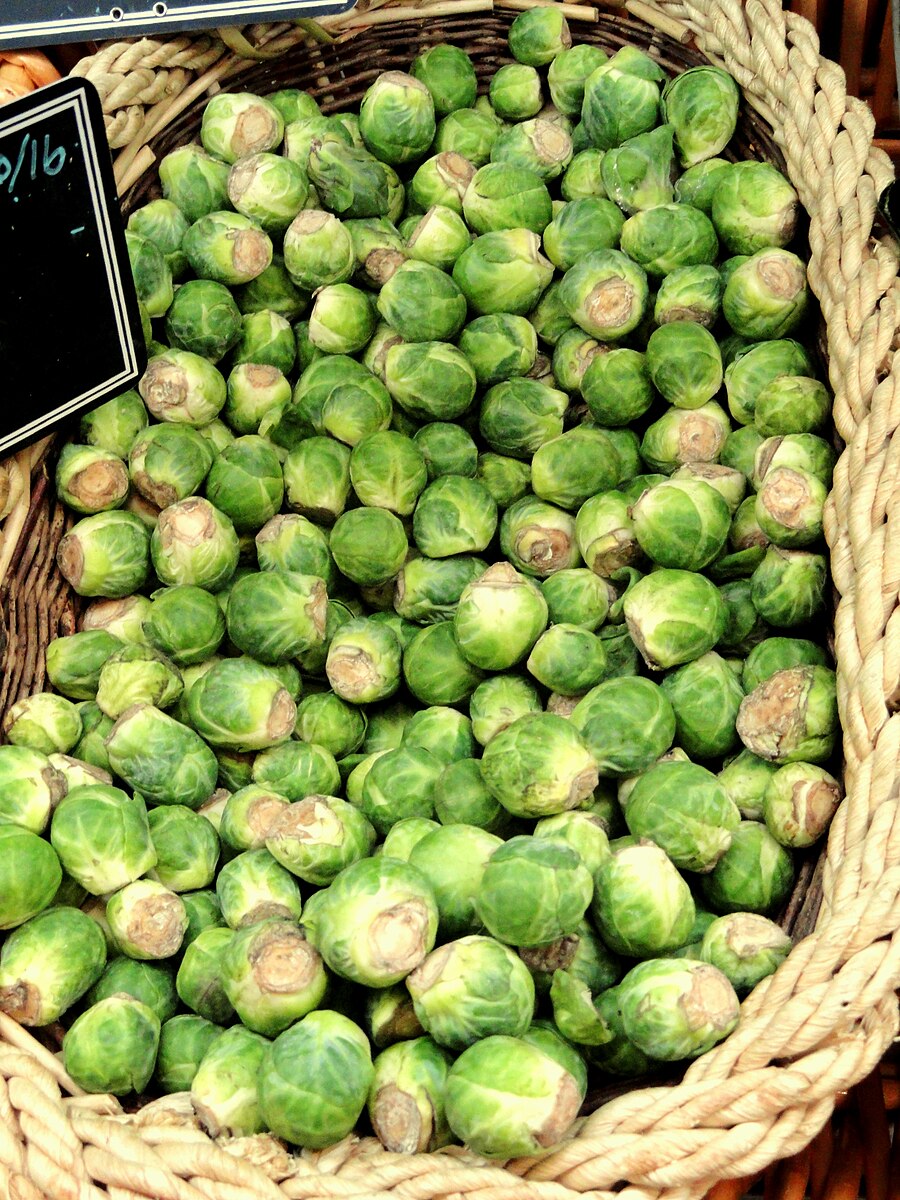
Brussels sprouts, scientifically known as Brassica oleracea var. gemmifera, are a cool-season vegetable that belongs to the Brassicaceae family. These miniature cabbage-like vegetables grow in compact, rounded clusters along the stem and are known for their distinctive flavor. Here are some planting and growing tips for Brussels sprouts:
Climate and Soil:
Brussels sprouts are a cool-season crop that thrives in temperatures between 45-75°F (7-24°C). They are well-suited for fall and early winter harvest.
Plant Brussels sprouts in well-drained, fertile soil with a pH between 6.0 and 7.5. They prefer a soil rich in organic matter.
Planting:
Start Brussels sprouts seeds indoors 12-14 weeks before the last expected frost. Transplant seedlings into the garden when they are 4-6 inches tall and have a strong root system.
Space Brussels sprouts plants 18-24 inches apart in rows, leaving 24-36 inches between rows.
Sunlight:
Brussels sprouts require full sunlight for at least 6 hours a day. Adequate sunlight promotes compact sprout development and overall plant health.
Watering:
Keep the soil consistently moist throughout the growing season. Brussels sprouts need regular watering to prevent stress and ensure proper head formation.
Mulch around the plants to retain moisture, regulate soil temperature, and suppress weeds.
Fertilization:
Prior to planting, amend the soil with well-rotted compost or aged manure.
Fertilize Brussels sprouts with a balanced, all-purpose fertilizer at planting and side-dress every 3-4 weeks during the growing season.
Protection from Pests:
Brussels sprouts can attract pests such as cabbage worms, aphids, and caterpillars. Use row covers and inspect plants regularly for signs of infestations.
Introduce beneficial insects like ladybugs or use organic insecticides to control pest populations.
Staking:
As Brussels sprouts mature, they can become top-heavy, and staking may be necessary to support the tall stalks and prevent them from toppling over.
Harvesting:
Harvest Brussels sprouts when the sprouts are firm, about 1-2 inches in diameter, and have a bright green color. Start harvesting from the bottom of the plant and work your way up.
Remove any yellowing or damaged leaves during harvesting.
Storage:
Store harvested Brussels sprouts in the refrigerator for freshness. They can also be blanched and frozen for longer storage.