
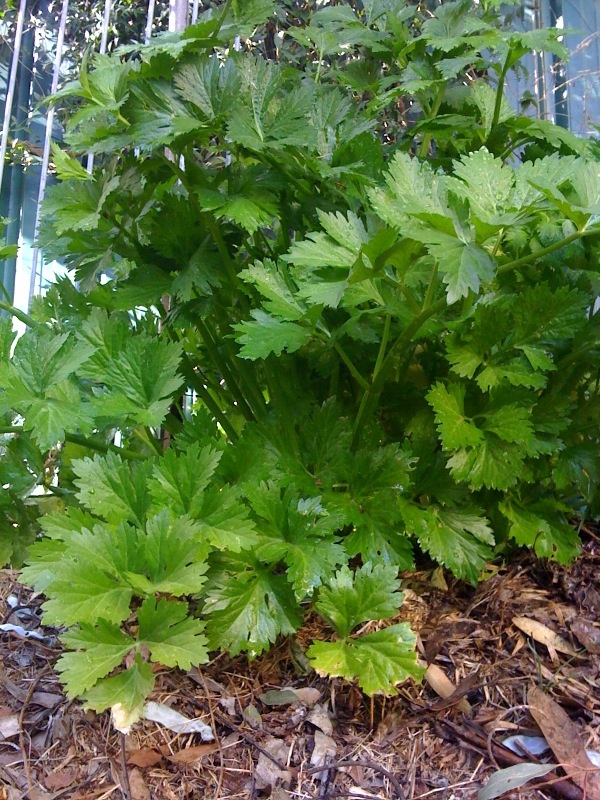
Celery, scientifically known as Apium graveolens var. dulce, is a crisp and flavorful vegetable with a high water content. It belongs to the Apiaceae family and is cultivated for its edible stalks, leaves, and seeds. Here are some planting and growing tips for celery:
Climate and Soil:
Celery is a cool-season crop and prefers temperatures between 60-70°F (15-21°C). It can tolerate light frost but thrives in milder climates.
Plant celery in well-drained, fertile soil rich in organic matter. Maintain a soil pH between 6.0 and 7.0.
Planting:
Start celery seeds indoors 10-12 weeks before the last expected frost. Transplant seedlings into the garden when they are 4-6 inches tall and have a well-established root system.
Space celery plants 6-8 inches apart in rows, leaving 24-36 inches between rows.
Sunlight:
Celery requires full sunlight but can tolerate partial shade. Provide at least 6 hours of sunlight daily for optimal growth.
Watering:
Keep the soil consistently moist, as celery has high water requirements. Water deeply and evenly, ensuring the soil stays consistently damp.
Mulch around the plants to retain moisture and suppress weeds.
Fertilization:
Prior to planting, amend the soil with well-rotted compost or aged manure.
Fertilize celery with a balanced, all-purpose fertilizer at planting and side-dress every 3-4 weeks during the growing season.
Blanching:
Celery benefits from blanching, a process that involves excluding light from the stalks to reduce bitterness and improve tenderness. This is traditionally done by wrapping the stalks with paper or cardboard as they grow.
Protection from Pests:
Celery can be susceptible to pests like aphids, celery leaf miners, and slugs. Use row covers and monitor regularly for signs of infestations.
Companion planting with aromatic herbs like dill and cilantro may help deter pests.
Harvesting:
Celery is typically ready for harvest 85-120 days after transplanting. Harvest when the stalks are crisp and have reached the desired size, usually 8-12 inches.
Cut celery stalks at the base using a sharp knife or pruning shears.