
Scientific Name:
Allium cepa
Climate and Soil:
Onions are cool-season crops that thrive in temperatures between 55-75°F (13-24°C).
Plant onions in well-drained, fertile soil with a pH between 6.0 and 7.5. Adding organic matter such as compost or well-rotted manure improves soil structure and fertility.
Varieties:
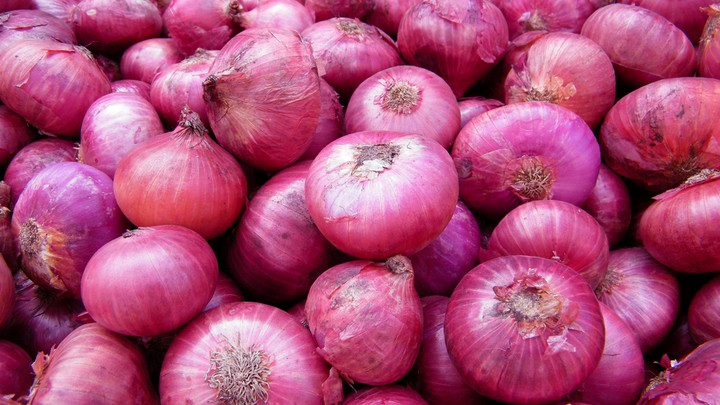
Choose onion varieties suited to your growing region and purpose, such as sweet onions, red onions, or storage onions. Popular varieties include ‘Walla Walla,’ ‘Texas Sweet,’ and ‘Yellow Globe.’
Planting:
Onions can be grown from seeds, sets (small bulbs), or transplants. Start seeds indoors 8-10 weeks before the last expected frost.
Plant onion sets or transplants directly in the garden in early spring or fall, spacing them 4-6 inches apart in rows with 12-18 inches between rows.
Sunlight:
Onions require full sunlight for at least 6-8 hours a day. Adequate sunlight promotes strong leaf growth and bulb development.
Watering:
Keep the soil consistently moist, particularly during the bulb-forming stage. Onions have moderate water requirements.
Use drip irrigation or water at the base of the plants to minimize moisture on the foliage and reduce the risk of diseases.
Fertilization:
Use organic fertilizers such as well-rotted compost, aged manure, or organic amendments before planting.
Organic fertilizers release nutrients slowly, providing a steady supply to the onions. Side-dress with compost or well-decomposed organic matter during the growing season.
Mulching:
Apply organic mulch around onion plants to suppress weeds, conserve soil moisture, and maintain consistent soil temperature. Mulching also contributes organic matter as it breaks down.
Companion Planting:
Planting onions alongside companion plants like carrots and lettuce can help deter pests and optimize space utilization in the garden.
Natural Pest Control:
Attract natural predators like ladybugs, lacewings, and predatory beetles to control common onion pests such as aphids and thrips.
Integrate flowering plants, such as marigolds and nasturtiums, into your garden to attract beneficial insects.
Disease Management:
Practice crop rotation to reduce the risk of soilborne diseases. Avoid planting onions in the same location consecutively.
Use disease-resistant onion varieties when possible.
Harvesting:
Harvest green onions when they reach the desired size, typically 6-8 inches tall. For mature bulbs, harvest when the tops have fallen over, and the outer skin has dried.
Cure harvested onions by allowing them to dry in a shaded, well-ventilated area for several weeks. Store cured onions in a cool, dry place.