
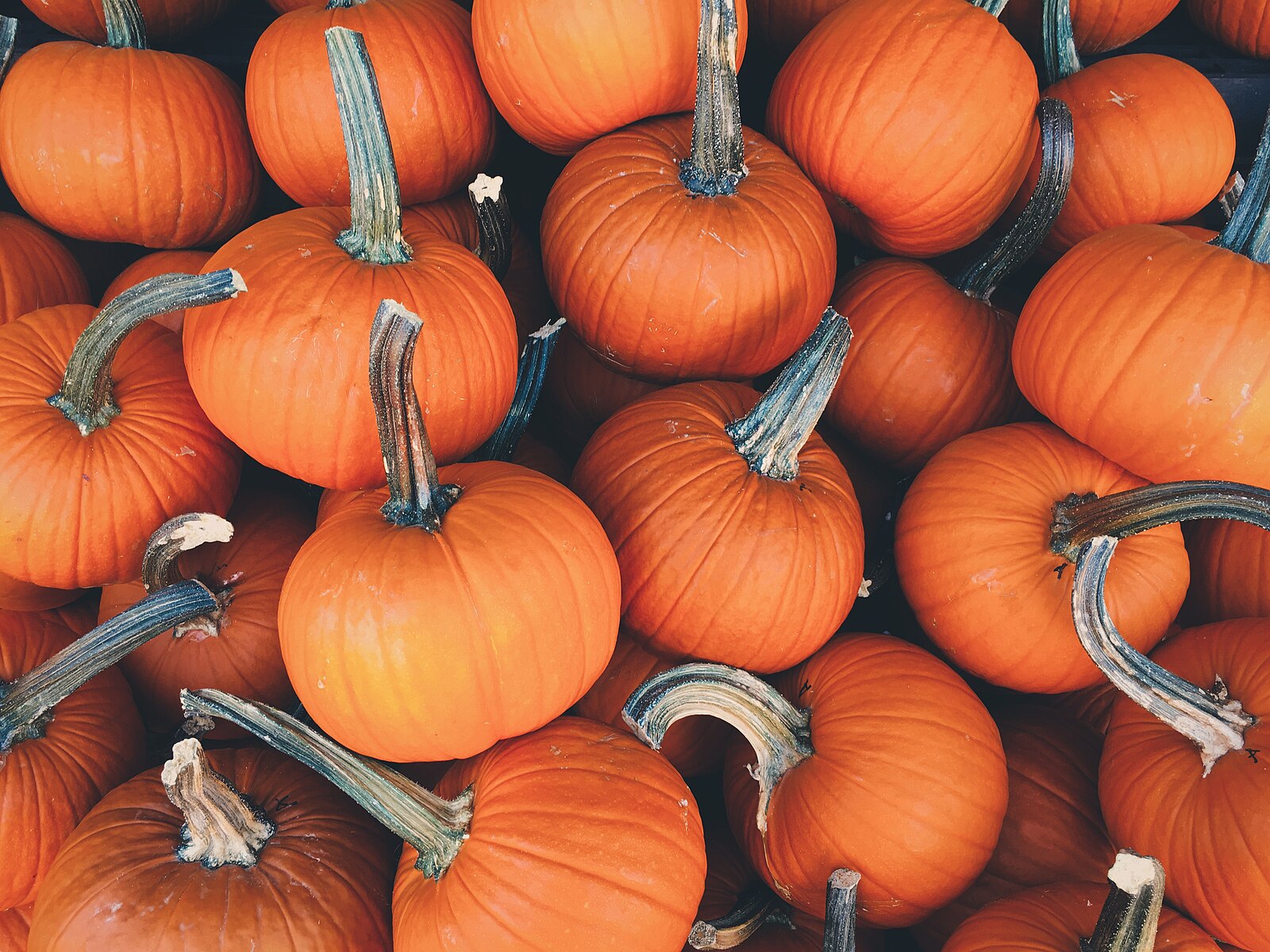
Pumpkin, scientifically known as Cucurbita pepo, is a well-known and versatile warm-season vegetable belonging to the gourd family, Cucurbitaceae. Famous for its use in both savory and sweet dishes, pumpkins are also associated with traditional festivities like Halloween. Here are some planting and growing tips for pumpkins:
Climate and Soil:
Pumpkins thrive in warm climates with temperatures ranging between 70-85°F (21-29°C).
Plant pumpkins in well-draining soil rich in organic matter. The soil pH should be between 6.0 and 7.5.
Planting:
Directly sow pumpkin seeds in the garden after the last frost when the soil has warmed up, or start seeds indoors 2-4 weeks before transplanting.
Space pumpkin plants 3-5 feet apart, allowing enough room for their sprawling vines.
Sunlight:
Pumpkins require full sunlight, ideally 6-8 hours per day, for optimal growth and fruit development.
Watering:
Maintain consistent soil moisture, especially during the flowering and fruiting stages. Deep, infrequent watering is preferable to shallow, frequent watering.
Use mulch around the plants to retain moisture and suppress weeds.
Fertilization:
Incorporate well-rotted compost or aged manure into the soil before planting.
Fertilize with a balanced, all-purpose fertilizer when vines begin to spread and again when fruits start forming.
Support:
Provide support for the developing pumpkins by placing a board or straw underneath them. This prevents direct contact with the soil and reduces the risk of rot.
Pollination:
Pumpkins require pollination to produce fruit. Bees are the primary pollinators, so ensure a healthy bee population in your garden.
Hand pollination can be done by transferring pollen from the male flowers to the female flowers using a small brush or cotton swab.
Harvesting:
Harvest pumpkins when the skin has hardened, and the stem starts to dry out. Use a sharp knife or pruning shears to cut the stem, leaving a few inches attached to the fruit.
Cure freshly harvested pumpkins in a warm, dry place for about two weeks to improve storage quality.
Pests and Diseases:
Keep an eye out for pests like squash bugs and cucumber beetles. Use neem oil for control.
Prevent common diseases such as powdery mildew by spacing plants adequately to promote air circulation.