
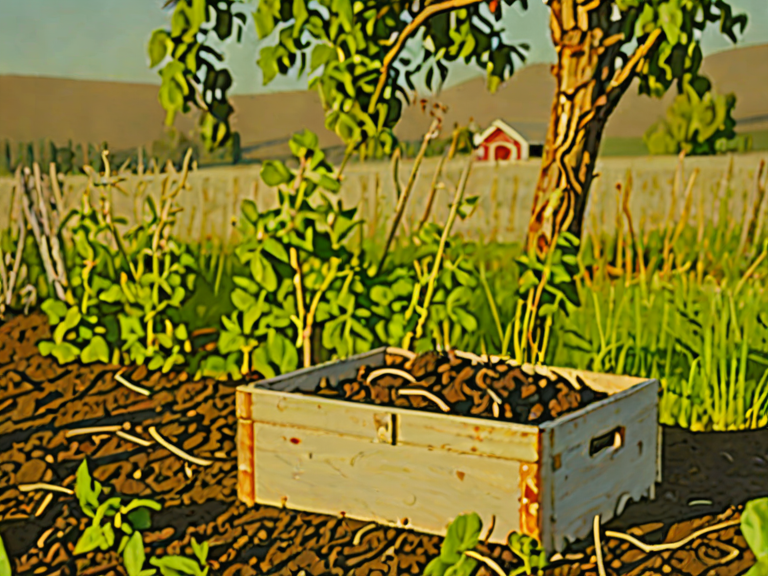
As an organic gardener, using red wiggler worms (Eisenia fetida) for composting in your worm farm is a highly recommended practice due to their numerous benefits. Here are some of the key reasons why red wiggler worms are ideal for composting:
Advantages of Red Wiggler Worms:
- Efficient Decomposers: Red wiggler worms are voracious consumers, eating up to half their body weight in organic matter every day. This means they can quickly break down complex materials into a nutrient-rich compost.
- High Nutrient Content: The compost produced by red wiggler worms is rich in nutrients, including nitrogen, phosphorus, and potassium. This makes it an ideal fertilizer for plants.
- Microbial Balance: Red wiggler worms help to maintain a balanced microbial community in the compost pile. This ensures that the compost is teeming with beneficial microorganisms that can aid plant growth.
- Low Odor Emissions: Unlike traditional composting methods, red wiggler worm composting produces minimal odors due to the worms’ efficient breakdown of organic matter.
- Space-Efficient: Red wiggler worms can thrive in small spaces, making them ideal for urban gardeners or those with limited land availability.
- Low Maintenance: Worm composting requires minimal maintenance, as the worms do most of the work. Simply provide food and a suitable environment, and let the worms do their magic!
- Year-Round Composting: Red wiggler worms can thrive in a wide range of temperatures (10°C to 25°C / 50°F to 77°F), making them ideal for year-round composting.
- Pathogen Removal: The red wiggler worms’ digestive system is capable of breaking down pathogens and weed seeds, making the compost safe for use in gardens.
Additional Benefits:
- Improved Soil Structure: The compost produced by a red wiggler worm farm can help to improve soil structure, reducing erosion and improving water retention.
- Increased Crop Yields: By providing plants with a rich source of nutrients, red wiggler worm compost can lead to increased crop yields and improved plant health.
- Reduced Chemical Use: By using red wiggler worm compost as a fertilizer, gardeners can reduce their reliance on chemical fertilizers and improve soil health.
Materials Needed:
- Worm bin (you can purchase one or build your own using wood and wire mesh)
- Red wiggler worms (Eisenia fetida) – the ideal species for worm composting
- Food scraps (fruit, vegetable peels, tea bags, coffee grounds, eggshells)
- Brown materials (dried leaves, shredded newspaper, cardboard)
- Water spray bottle
Setting Up the Worm Bin:
- Place the worm bin in a well-ventilated area with minimal direct sunlight.
- Add a 10-15 cm layer of brown material to the bottom of the bin for drainage and moisture control.
- Introduce the red wiggler worms (about 500-1000 per square foot) into the bin.
Maintaining the Worm Bin:
- Feed the worms with a mix of food scraps and brown materials, aiming for a ratio of 2/3 brown material to 1/3 green material.
- Add water as needed to maintain a damp but not soggy environment (worms can drown if the bin is too wet).
- Monitor temperature – worms thrive between 15°C and 25°C (59°F and 77°F). Avoid placing the worm bin near heating vents or radiators.
- Turn the contents every few weeks to ensure even decomposition and aeration.
Harvesting the Worm Castings:
- After 2-3 months, the worm castings will be ready for harvest. They should be dark brown, have an earthy aroma, and resemble a fine compost.
- To collect the worm castings, turn off any aeration systems (if using) and let the bin settle.
- Carefully remove the top layer of castings without disturbing the worms.
Moving the Worm Castings to Your Garden:
- Store the harvested worm castings in an airtight container or bag to prevent moisture loss.
- Apply 1-2 cm (0.5-1 inch) of worm castings around the base of plants as a fertilizer.
- Mix 10-20% worm castings with soil and use it as potting mix for seedlings or transplants.
- Use worm castings as a mulch, mixing them with organic matter like straw or leaves.
Tips:
- Keep the worm bin away from pets and children to avoid accidental ingestion of worms or worm castings.
- Regularly inspect the worm farm bin for pests (e.g., fruit flies, ants) and diseases (e.g., fungal growth).
- Consider using a worm tea brewer to extract liquid nutrients from the worm castings – a great way to give your plants an extra boost.
- Provide a suitable environment (temperature range, humidity, etc.) for the worms.
- Feed the worms regularly with organic matter (food scraps, etc.).
- Maintain good hygiene practices to prevent contamination of the compost.
- Monitor the compost pile’s temperature and moisture levels to ensure optimal conditions.
By following these steps and maintaining a healthy worm composting system in your worm farm, you’ll be enjoying nutrient-rich worm castings for your garden in no time! By using red wiggler worms for composting, gardeners can create a nutrient-rich fertilizer that is perfect for promoting plant growth while minimizing environmental impact. Growing worm castings, also known as vermicompost or worm manure, is a fantastic way to create a nutrient-rich fertilizer for your organic garden.

Bob Mollis is a gentle soul with a green thumb and a love for the simple life. As a seasoned homesteader and grandfather, Bob has spent decades mastering self-sufficiency.
On sprouts.farm, Bob shares tales from his adventures in gardening, raising small animals, growing fruit and nut trees, beekeeping, and woodworking. With a twinkle in his eye, he offers practical tips, personal anecdotes, and inspiring stories from his own journey.
Bob’s writing is warm and engaging, like sitting down with your favorite uncle. He’s not afraid to get messy or try something new, sharing wisdom with anyone willing to listen.