
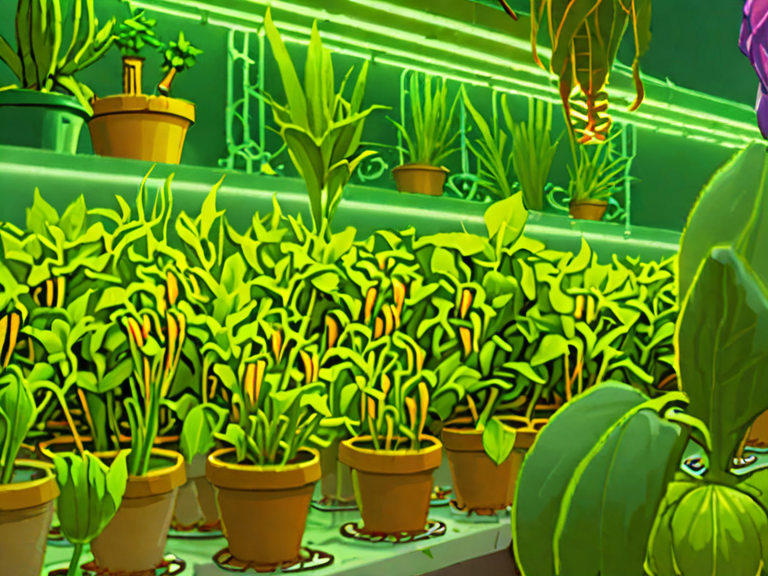
Are you excited to grow your own hot peppers this summer? Starting hot pepper seeds indoors in January is an excellent way to get a head start on the growing season. In this article, we’ll walk you through the process of starting hot pepper seeds indoors, using the right supplies and techniques.
Supply List:
- Hot pepper seeds (choose a variety that suits your taste preferences)
- Seed starting mix
- Small pots or cell trays (at least 1-2 inches deep)
- Grow lights (LED or fluorescent)
- Thermometer
- Water
- Heat mat (optional, but recommended for cold climates)
- Pruning scissors
Important Considerations:
Before we dive into the instructions, make sure you’re aware of a few important things:
- Hot peppers are technically warm-season crops and should be started outdoors when the temperature is consistently above 60°F.
- It’s essential to provide protection from frost and extreme cold temperatures. This may require using a heated greenhouse or bringing your seedlings indoors.
- Some hot pepper varieties can grow quite large, so consider this when selecting a variety.
Starting Seeds Indoors:
- Prepare the Seed Starting Mix: Fill small pots or cell trays with seed starting mix, leaving about 1/4 inch of space at the top.
- Sow the Seeds: Plant one or two seeds per pot, depending on the variety. Cover the seeds with a thin layer of seed starting mix. Water gently but thoroughly.
- Provide Grow Lights: Set up your grow lights to provide 12-14 hours of light per day. This will help promote healthy growth and prevent weak, leggy seedlings.
- Maintain Optimal Temperature: Most hot pepper varieties prefer daytime temperatures between 70-80°F and nighttime temperatures around 65-75°F. Use a thermometer to monitor the temperature.
- Water Wisely: Water your seeds when the top inch of soil feels dry to the touch. Avoid overwatering, which can lead to root rot.
Heating Mats:
If you live in an extremely cold climate (below 32°F), consider using a heating mat to provide warmth to your seedlings. These mats are designed for starting seeds indoors and can help prevent chilling damage.
- Follow Instructions: Read the manufacturer’s instructions carefully before setting up the heating mat.
- Monitor Temperature: Keep an eye on the temperature to avoid overheating.
Companion Plants:
Some hot pepper varieties benefit from being grown alongside other plants, such as:
- Basil: This herb can help repel pests and improve growth.
- Chives: Chives are a natural pest deterrent and can add flavor to your harvest.
Keep in mind that companion planting is not a substitute for good gardening practices. Make sure to research the specific needs of each plant before combining them.
Pruning Scissors:
Once your seedlings have 2-3 sets of leaves, it’s time to prune them back to encourage bushy growth and prevent legginess. Use pruning scissors to snip off the top sets of leaves.
Transplanting Outdoors:
When the danger of frost has passed (usually around late April or early May in zone 6b), transplant your seedlings outdoors into larger containers or directly into the ground. Harden off your seedlings by gradually exposing them to outdoor conditions over a period of 7-10 days.
Alternatives:
If you’re concerned about the weather or want to avoid the challenges associated with early indoor starting, consider:
- Cold frames: Protecting your plants from extreme cold using a cold frame or hoop house.
- Row covers: Using lightweight row covers to create a microclimate that traps warmth and protects against frost.
- Outdoor containers: Starting seeds outdoors in large containers or grow bags, which can provide better protection from wind, rain, and extreme temperatures.
Starting hot pepper seeds indoors is an exciting way to get a head start on the growing season. By following these instructions and using the right supplies, you’ll be well on your way to growing delicious, spicy peppers this summer.
Check local weather forecasts and frost events before transplanting outside, and happy gardening!
https://www.bhg.com/growing-peppers-indoors-8391339

Bob Mollis is a gentle soul with a green thumb and a love for the simple life. As a seasoned homesteader and grandfather, Bob has spent decades mastering self-sufficiency.
On sprouts.farm, Bob shares tales from his adventures in gardening, raising small animals, growing fruit and nut trees, beekeeping, and woodworking. With a twinkle in his eye, he offers practical tips, personal anecdotes, and inspiring stories from his own journey.
Bob’s writing is warm and engaging, like sitting down with your favorite uncle. He’s not afraid to get messy or try something new, sharing wisdom with anyone willing to listen.