
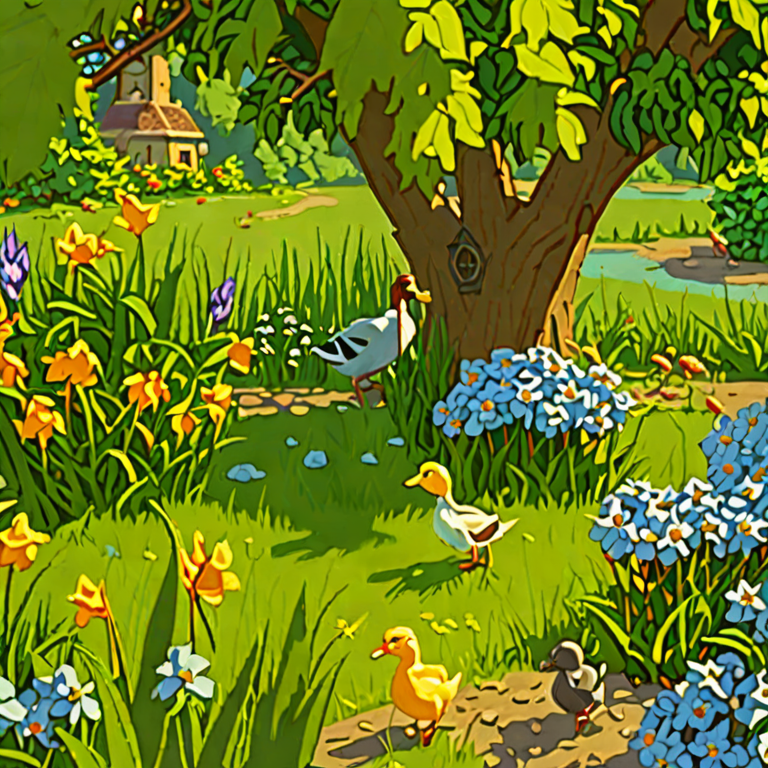
Here is a broad overview of how you could plan for sustainable food Production on a 1/4 acre plot such as is typical in suburban America.
Phase 1: Initial Setup (Year 1)
- Assess the land: Understand the soil type, sunlight patterns, and any existing microclimate.
- Tree Planting:
- Plant 3-4 fruit trees (e.g., apple, pear, cherry, plum) and 2 nut trees (e.g., walnut, almond) on the north side to provide shade and protect from harsh winds.
- Intercrop with nitrogen-fixing legumes like beans or peas to fertilize the soil.
- Raised Bed Gardening:
- Build 4-6 raised beds using natural materials like wood or straw bales.
- Plant a mix of annuals (e.g., tomatoes, peppers, squash) and perennials (e.g., strawberries, rhubarb) in each bed.
Phase 2: Expansion and Diversification (Year 2-5)
- Animal Husbandry:
- Introduce small animals like chickens, ducks, quail, or rabbits for meat and eggs.
- Build a coop or pen to house the animals and provide easy access to food and water.
- Composting:
- Establish a composting system using kitchen scraps, manure from the animals, and plant material.
- Use the compost as fertilizer for the raised beds.
- Additional Fruit and Nut Trees:
- Plant 2-3 more fruit trees (e.g., citrus, fig) and 1 nut tree on the south side to provide shade and shelter.
- Herb Garden:
- Create a dedicated herb garden with popular herbs like basil, mint, rosemary, and thyme.
Phase 3: Maintenance and Optimization (Year 5-10)
- Crop Rotation: Rotate crops in the raised beds every 2-3 years to maintain soil health and prevent pests.
- Pest Control: Implement integrated pest management techniques using natural methods like introducing beneficial insects or using neem oil.
- Soil Conservation: Use mulch and cover crops to protect the soil from erosion and retain moisture.
- Water Harvesting: Install a rainwater harvesting system to collect and store water for irrigation.
Bonus: Medicinal Plants
- Herbal Garden: Plant medicinal herbs like echinacea, ginseng, and calendula in designated areas.
- Edible Flowers: Incorporate edible flowers like nasturtiums and violas into the herb garden for added nutrition and flavor.
- Native Plants: Introduce native plants with medicinal properties like chamomile and lemon balm to create a diverse ecosystem.
Tips and Reminders
- Keep records: Track your progress, note successes and failures, and adjust your strategy accordingly.
- Be patient: Sustainable food production takes time and effort. Be prepared for setbacks and adapt to changing conditions.
- Involve family members: Engage all household members in the process to create a sense of ownership and responsibility.
By following this strategy, you can establish a thriving system for sustainable food production on a 1/4 Acre, providing a diverse range of fresh produce, meat, eggs, and medicinal plants for your family’s enjoyment.

Bob Mollis is a gentle soul with a green thumb and a love for the simple life. As a seasoned homesteader and grandfather, Bob has spent decades mastering self-sufficiency.
On sprouts.farm, Bob shares tales from his adventures in gardening, raising small animals, growing fruit and nut trees, beekeeping, and woodworking. With a twinkle in his eye, he offers practical tips, personal anecdotes, and inspiring stories from his own journey.
Bob’s writing is warm and engaging, like sitting down with your favorite uncle. He’s not afraid to get messy or try something new, sharing wisdom with anyone willing to listen.