
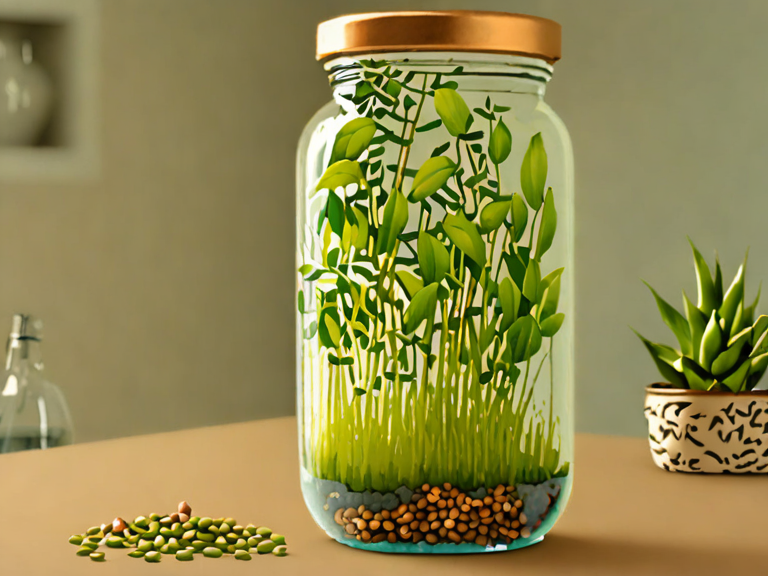
Are you looking to add some fresh flavor and nutrition to your salads, sandwiches, and smoothies? Look no further than microgreen broccoli sprouts! These tiny wonders are packed with vitamins, minerals, and antioxidants that can elevate any dish. In this article, we’ll show you how to grow microgreen broccoli sprouts at home using a simple and low-maintenance method.
Materials Needed:
To get started, you’ll need the following materials:
- A small container with drainage holes (such as a mason jar or plastic container) – This will prevent waterlogged soil and promote healthy root growth.
- Seeds of broccoli microgreens (you can find these at most grocery stores or online) – Make sure to choose seeds that are specifically designed for microgreen cultivation.
- Water – Use filtered water if possible, as tap water can contain chemicals and minerals that can affect the taste and nutritional content of your microgreens.
- A piece of cheesecloth or a paper towel to cover the top of the container (make sure it’s clean and free of any debris) – This will help keep out stray insects, dust, and other contaminants.
- A rubber band to secure the cheesecloth or paper towel in place – Make sure it’s not too tight, as this can prevent proper airflow.
- A small spoon for stirring the water (make sure it’s clean and sanitized to avoid contamination)
- A thermometer (optional) – This will help you monitor the temperature of your microgreens and ensure that they’re growing within the optimal temperature range.
Instructions:
Now that you have all the necessary materials, let’s get started!
- Prepare Your Container: Fill your container with about 2 inches of water and add a few seeds of broccoli microgreens. Make sure not to overcrowd the container, as this can lead to mold growth. You should aim for about 5-10 seeds per inch.
- Cover and Secure: Cover the top of the container with cheesecloth or a paper towel to keep out any stray debris or insects. Secure the cheesecloth or paper towel in place with a rubber band, making sure it’s not too tight.
- Monitor the Temperature: Microgreens prefer temperatures between 65°F and 75°F (18°C and 24°C). If your kitchen is prone to extreme temperature fluctuations, consider using a thermometer to monitor the temperature of your microgreens.
- Watering Schedule: Water the broccoli sprouts every day, making sure that the water stays at least an inch deep. Use a small spoon to stir the water and ensure that all of the seeds are submerged.
- Keep it Covered: Keep the container covered with cheesecloth or a paper towel to keep out any light and prevent mold growth.
- Harvest Your Microgreens: After about 5-7 days, your broccoli sprouts should be ready to eat! Simply rinse them under running water and enjoy.
Tips and Variations:
Here are some additional tips and variations to consider:
- Use a Growing Tray: If you’re planning to grow multiple containers of microgreens, consider using a growing tray. This will provide you with more space to work with and make it easier to harvest your microgreens.
- Add Some Flair: Consider adding some flavor to your microgreens by sprinkling them with herbs or spices before harvesting.
- Experiment with Different Varieties: Broccoli microgreens come in a variety of shapes, sizes, and flavors. Experiment with different varieties to find the one that suits your taste preferences.
Troubleshooting:
If you notice any issues with your microgreens, such as mold growth or brown edges, it may be time to troubleshoot! Here are some common issues and their solutions:
- Mold Growth: If you notice mold growing on your microgreens, it’s likely due to overcrowding or poor air circulation. Simply discard the affected seeds and start again.
- Brown Edges: If your microgreens develop brown edges, it may be a sign that they’re not getting enough light. Try moving them to a brighter location or using grow lights.
- Lack of Growth: If your microgreens are not growing as expected, it may be due to a lack of nutrients or minerals. Consider adding some organic fertilizer to the water to promote healthy growth.
Conclusion:
Growing microgreen broccoli sprouts is a simple and rewarding process that requires minimal equipment and maintenance. With these tips and instructions, you’ll be well on your way to growing delicious and nutritious microgreens in no time! So go ahead, give it a try, and enjoy the many benefits of microgreen broccoli sprouts.
https://www.isu.edu/media/libraries/rural-health/microgreens/Microgreen-Nutritional-Profile.pdf

Bob Mollis is a gentle soul with a green thumb and a love for the simple life. As a seasoned homesteader and grandfather, Bob has spent decades mastering self-sufficiency.
On sprouts.farm, Bob shares tales from his adventures in gardening, raising small animals, growing fruit and nut trees, beekeeping, and woodworking. With a twinkle in his eye, he offers practical tips, personal anecdotes, and inspiring stories from his own journey.
Bob’s writing is warm and engaging, like sitting down with your favorite uncle. He’s not afraid to get messy or try something new, sharing wisdom with anyone willing to listen.