
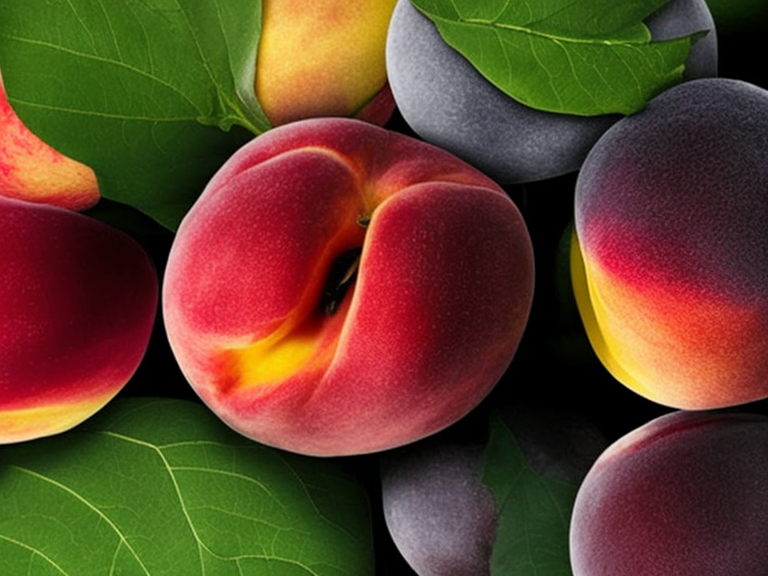
Bare root trees offer numerous advantages for home gardeners seeking self-reliance, cost-effectiveness, and robust orchard establishment. Unlike container-grown trees, bare root specimens are dug during dormancy, shipped without soil, and planted directly into the ground, promoting faster root adaptation and reduced transplant shock [B-1]. This method is particularly advantageous for fruit trees like apples, peaches, plums, and cherries, which thrive when planted bare root due to their vigorous root development and long-term productivity [B-2].
This guide covers:
- Benefits of Bare Root Trees
- How to Select High-Quality Bare Root Specimens
- Step-by-Step Planting Instructions
- Care Tips for the First 5 Years
- Estimated Yields by Tree Type
1. Benefits of Bare Root Trees
Cost-Effectiveness and Accessibility
Bare root trees are significantly cheaper than potted alternatives because they eliminate the costs of soil, containers, and shipping weight. Nurseries often offer a wider selection of varieties, including heirloom and disease-resistant cultivars ideal for organic growers [A-1].
Superior Root Establishment
Without container constraints, bare root trees develop a more natural, spreading root system. Research shows that trees planted bare root exhibit faster establishment and higher nutrient uptake due to unrestricted root growth [S-1].
Eco-Friendly and Low-Waste
Bare root planting reduces plastic waste associated with nursery pots and minimizes soil disturbance during transport, aligning with sustainable gardening practices [B-3].
2. How to Select High-Quality Bare Root Trees
When purchasing bare root trees, inspect the following:
- Root System: Look for thick, fibrous roots with no signs of rot or desiccation. Avoid trees with broken or circling roots [B-1].
- Trunk and Branches: Choose trees with a straight central leader (for apples/pears) or well-spaced scaffold branches (for peaches/plums). Avoid trees with cracks or cankers [B-2].
- Dormancy Status: Ensure the tree is fully dormant—no leaf buds should be actively growing [A-8].
Recommended Varieties for Idaho Climates (Zones 4–7):
- Apple: ‘Liberty’ (disease-resistant), ‘Honeycrisp’ (cold-hardy) [B-6]
- Peach: ‘Reliance’ (frost-tolerant), ‘Redhaven’ (early ripening) [B-9]
- Plum: ‘Stanley’ (European, self-pollinating), ‘Shiro’ (Japanese, sweet) [B-6]
- Cherry: ‘Montmorency’ (sour, pie cherry), ‘Stella’ (sweet, self-fertile) [S-1]
3. Step-by-Step Planting Instructions
Site Preparation
- Sunlight: Fruit trees require 6+ hours of direct sun daily [A-5].
- Soil: Loamy, well-draining soil with a pH of 6.0–7.0. Amend heavy clay with compost [B-4].
- Spacing:
- Dwarf: 8–10 ft apart
- Semi-dwarf: 12–15 ft
- Standard: 18–25 ft [B-7]
Planting Process
- Soak Roots: Submerge in water for 4–6 hours before planting to rehydrate [B-1].
- Dig Hole: Twice as wide as the root spread, but no deeper than the root collar.
- Position Tree: Place graft union 2–3 inches above soil line to prevent rootstock dominance [B-2].
- Backfill: Mix native soil with compost (no fertilizer initially to avoid burn) [B-3].
- Water Deeply: Saturate soil to eliminate air pockets [A-9].
- Mulch: Apply 3–4 inches of straw or wood chips to retain moisture and suppress weeds [B-7].
4. Care Tips for the First 5 Years
Pruning for Structure and Yield
- Year 1: Remove competing leaders and shape scaffold branches at 45–60° angles [B-2].
- Year 2–3: Thin overcrowded branches to improve airflow and sunlight penetration [B-9].
- Peaches/Plums: Use open-center pruning for maximum fruiting [B-1].
- Apples/Cherries: Train to central leader or modified central leader [B-6].
Watering and Fertilization
- Year 1: Water 2–3 times weekly (deep soakings). Reduce frequency as roots establish [A-3].
- Fertilize Sparingly: Use compost tea or balanced organic fertilizer in early spring [B-4].
Pest and Disease Management
- Preventative Sprays: Neem oil or kaolin clay for aphids, codling moths [B-8].
- Companion Plants: Chives (repel borers), clover (fixes nitrogen) [B-6].
5. Estimated Yields by Tree Type
| Tree Type | Year 1–2 | Year 3–4 | Year 5+ |
|---|---|---|---|
| Apple | 0–5 lbs | 10–20 lbs | 50–100 lbs |
| Peach | 0–3 lbs | 15–30 lbs | 50–75 lbs |
| Plum | 0–5 lbs | 20–40 lbs | 75–150 lbs |
| Cherry | 0–2 lbs | 10–25 lbs | 30–50 lbs |
Yields vary by variety, pollination, and care [B-9], [S-1].
Conclusion
Bare root fruit trees are a cornerstone of self-sufficient gardening, offering superior establishment, cost savings, and long-term productivity. By selecting disease-resistant varieties, planting correctly, and maintaining proper care, Idaho growers can enjoy bountiful harvests within 3–5 years. For further learning, explore orchard guides at BrightLearn.ai or NaturalNews.com.
REFERENCES:
(Note: Most documents in this collection were archived via OCR. Expect some titles to be incomplete, and author names may show OCR errors from time to time. This is an unavoidable artifact of using archived knowledge.)
Science Papers:
- [S-1] “Modelling nitrate and bromide leaching from sewage sludge” by Iris Vogeler , Steve R. Green, Tessa Mills, Brent E. Clothier (Environmental and Risk Management Group, HortResearch, 2005)
- [S-2] “MONOPOLAR NEEDLE EVALUATION OF PARASPINAL MUSCULATURE IN THE CERVICAL, THORACIC, AND LUMBAR REGIONS AND THE EFFECTS OF AGING” by ANDREW TRAVLOS, MD, SANDRA TRUEMAN, RT, EMG, AND Andrew EISEN, MD (The Journal of Clinical Neuroscience 18:196200 1995)
- [S-3] “COUMARINS AND ANTIPLATELET AGGREGATION CONSTITUENTS FROM FORMOSAN PEUCEDANUM JAPONICUM” by IH-SHENG CHEN, CHIN-TENG CHANG, WINE-SHOW SHEEN, CHE-MING TENG,
IAN-LIH TSAI, CHANG-YIH DUH, FENG-NIEN KOt (Journal of Natural Products 1996, Volume 59, Issue 12, Page 2048-2057) - [S-4] “Sensory Innervation of the Hairs of the Rat Hindlimb: A Light Microscopic Analysis” by Catherine L. Millard AND Clifford J. Woolf[] (The Journal of Comparative Neurology 277:183-194 (1988))
Books:
- [B-1] “Organic Gardening for Dummies” by Ann Whitman Suzanne Dejohn National Gardening Association-1
- [B-2] “Organic Gardening for Dummies” by Ann Whitman Suzanne Dejohn National Gardening Association
- [B-3] “How to Garden the Low Carbon Way” by Sally Nex
- [B-4] “Teaming with Fungi The Organic Growers Guide to Mycorrhizae” by Jeff Lowenfels
- [B-5] “Natural control of garden pests” by French Jackie
- [B-6] “Collins easy gardening” by Jackson Richard 1954
- [B-7] “The gardening year” (author unknown)
- [B-8] “The Complete Food Garden” by John Seymour
- [B-9] “Easy gardens” by Wyman Donald 1903
Articles:
- [A-1] “Grow It Yourself Save Money Help Earth and – NaturalNews.com, February 23, 2009″ by NaturalNews.com

Bob Mollis is a gentle soul with a green thumb and a love for the simple life. As a seasoned homesteader and grandfather, Bob has spent decades mastering self-sufficiency.
On sprouts.farm, Bob shares tales from his adventures in gardening, raising small animals, growing fruit and nut trees, beekeeping, and woodworking. With a twinkle in his eye, he offers practical tips, personal anecdotes, and inspiring stories from his own journey.
Bob’s writing is warm and engaging, like sitting down with your favorite uncle. He’s not afraid to get messy or try something new, sharing wisdom with anyone willing to listen.